2026 How to Choose a Solar Panel System?
Choosing a solar panel system in 2026 requires more than comparing panel prices. A suitable design must match your roof, electricity use, local climate, and future plans. A south-facing roof may produce strong output, while morning shade from one tall tree can reduce performance noticeably. Battery storage also changes the decision, especially where evening electricity rates are high.
The International Energy Agency’s Executive Director, Fatih Birol, called solar PV “the new king of electricity markets.” His observation reflects falling costs, but it does not make every system equally valuable. A lower-priced package may use a weaker inverter, shorter warranties, or an installer with limited technical experience. Those details matter after installation, when a loose connection or shaded panel can quietly reduce annual generation.
Look beyond the sales brochure. Review the system’s estimated yearly output, panel degradation rate, inverter replacement terms, monitoring functions, and installer credentials. Ask how the design handles roof angles, snow, heat, and partial shading. Check local grid requirements before signing anything. A professional assessment should include recent electricity bills, not just a quick roof measurement.
The perfect system rarely exists.
Some estimates remain uncertain because weather changes, household consumption shifts, and utility rules can evolve. That uncertainty deserves honest discussion. This guide explains how to compare equipment, calculate practical value, evaluate battery options, and avoid attractive but incomplete promises. A careful choice should produce dependable electricity for years, not merely impressive numbers on a quotation.
Solar Panel System Basics and Key Components
2026 How to Choose a Solar Panel System?
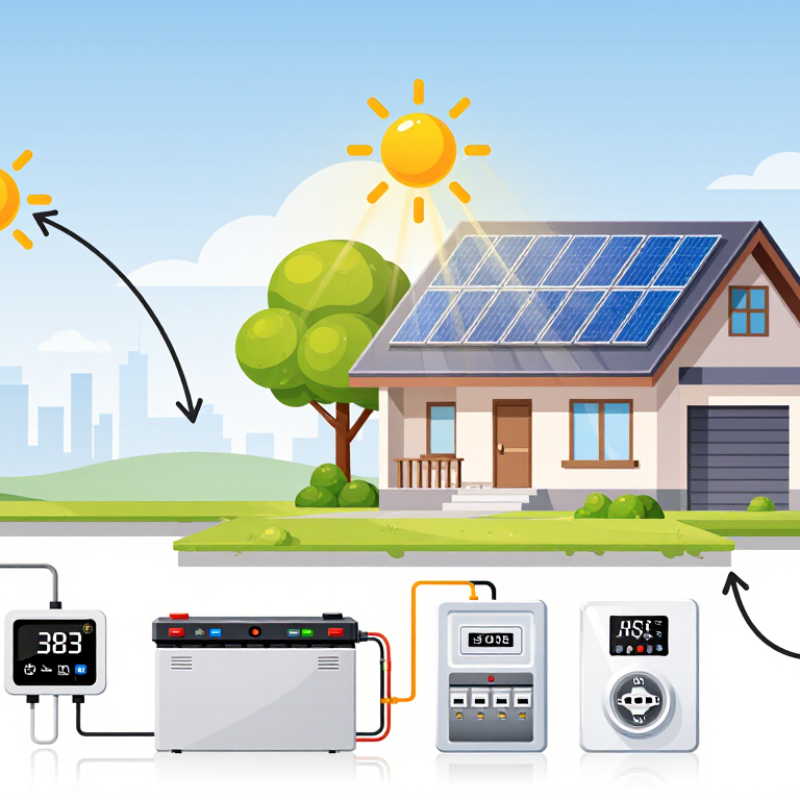
Solar panel systems convert sunlight into electricity for household use. The panels produce direct current, while an inverter changes it into usable alternating current. Mounting rails secure the panels to the roof or ground structure. Wiring, protection devices, and monitoring equipment complete the system.
System size depends on electricity use, roof space, sunlight, and local rules. Review twelve months of power bills before comparing equipment. A battery can store daytime energy for evening appliances or outages. However, batteries add cost, weight, and maintenance needs. In practice, roof direction matters, but shading can matter more. A small chimney shadow may reduce output across several panels. A professional site assessment should measure these details and check roof condition.
Tips: Ask for an itemized design, expected annual production, equipment warranties, and maintenance terms. Confirm the inverter’s capacity matches the panel array. Check whether the roof needs repairs before installation. Avoid choosing only by the lowest price. It can hide weaker components or limited service. A second opinion is sensible. I would also compare estimated production with your actual bills, because forecasts are not guarantees. Real homes change, and my first estimate may need revision after observing seasonal sunlight.
2026 How to Choose a Solar Panel System?
Solar Panel System Basics and Key Components
A solar PV system combines modules, mounting hardware, DC wiring, an inverter, AC wiring, protection equipment, and monitoring. The chart shows common default loss assumptions used in PV performance modeling, helping explain why the electricity delivered to the grid is lower than the modules’ rated output.
Values are representative PVWatts modeling assumptions: actual losses vary with climate, roof orientation, shading, equipment selection, installation quality, and system maintenance.
Comparing Solar Panel Types, Inverters, and Battery Options
2026 How to Choose a Solar Panel System?
Comparing Solar Panel Types, Inverters, and Battery Options
Choosing a solar system starts with your roof, not a sales brochure. In field assessments, I check shading at morning, noon, and late afternoon. Monocrystalline panels usually suit limited roof space because they provide high output per square metre. Polycrystalline panels can cost less, but they may need more area. Thin-film panels are lightweight and useful on some large surfaces. Their lower efficiency can be a serious drawback on a small roof. Check temperature performance, product testing, and expected degradation. A cheaper panel is not always cheaper over twenty years.
Inverters deserve equal attention. A string inverter is simpler and often economical for an unshaded roof. Partial shading can reduce the output of the entire string. Microinverters manage panels individually and can improve monitoring. They may also increase equipment and maintenance costs. Hybrid inverters connect solar generation with battery storage. Confirm their continuous output, surge capacity, backup circuits, and compatibility with local electrical requirements. Ask for measured efficiency, not only promotional peak efficiency.
Battery decisions should follow your evening electricity use. Lithium iron phosphate batteries are widely selected for their stable chemistry and long cycle potential. Compare usable capacity, warranty conditions, round-trip efficiency, and emergency reserve settings. Oversizing a battery can waste money if your night-time load is small. I once focused too heavily on annual energy production and underestimated winter heating demand. That mistake changed my assessment method. Review twelve months of utility bills, then test the design against cloudy weeks, power cuts, and future loads such as an electric vehicle.
Estimating Costs, Savings, Incentives, and Payback Time
How to Choose a Solar Panel System in 2026?
Estimating Costs, Savings, Incentives, and Payback Time
A reliable solar estimate starts with your actual electricity bills, not a salesperson’s rough promise. Collect twelve months of usage and note seasonal changes. A household using more power in summer may need a larger system than expected. Request itemized quotes covering panels, inverters, mounting, permits, labor, monitoring, and possible roof repairs. Battery storage should be priced separately. It can improve backup power, but it may lengthen the payback period.
Estimate annual savings by comparing expected solar production with your utility’s current rates. Ask how net billing rules value exported electricity, because policies differ by location and may change. Include panel degradation, cleaning, insurance, and inverter replacement in your calculation. Incentives can reduce the initial cost, but eligibility often depends on local rules, installation dates, property ownership, and approved documentation. Confirm details through official government or utility sources.
Use this simple formula: net cost divided by yearly savings equals estimated payback time. My first calculation was too optimistic because I ignored roof maintenance and rising electricity rates. That mistake matters. A 10-year payback may look attractive, yet financing charges can change the result. Compare cash purchase, loan, and lease terms carefully. Ask for production assumptions in writing, then test them against your roof’s shade, direction, and local weather records. Real figures beat polished promises.
2026 How to Choose a Solar Panel System? – Estimating Costs, Savings, Incentives, and Payback Time
| System Size |
Typical Annual Household Electricity Use |
Estimated Installed Cost Before Incentives |
Estimated Annual Solar Production |
Estimated Annual Bill Savings |
Illustrative Federal Tax Credit |
Estimated Cost After 30% Credit |
Simple Payback Period |
Optional Battery Add-On |
| 4 kW |
5,000–7,000 kWh |
$10,000–$14,000
Planning midpoint: $12,000 |
4,800–6,000 kWh |
$735–$918 per year
Midpoint estimate: $826 |
$3,600
30% of the midpoint cost |
$8,400 |
About 10.2 years |
$8,000–$14,000 |
| 6 kW |
7,500–10,000 kWh |
$15,000–$21,000
Planning midpoint: $18,000 |
7,200–9,000 kWh |
$1,102–$1,377 per year
Midpoint estimate: $1,240 |
$5,400
30% of the midpoint cost |
$12,600 |
About 10.2 years |
$10,000–$16,000 |
| 8 kW |
10,000–13,500 kWh |
$20,000–$28,000
Planning midpoint: $24,000 |
9,600–12,000 kWh |
$1,469–$1,836 per year
Midpoint estimate: $1,652 |
$7,200
30% of the midpoint cost |
$16,800 |
About 10.2 years |
$12,000–$18,000 |
| 10 kW |
12,500–17,000 kWh |
$25,000–$35,000
Planning midpoint: $30,000 |
12,000–15,000 kWh |
$1,836–$2,295 per year
Midpoint estimate: $2,066 |
$9,000
30% of the midpoint cost |
$21,000 |
About 10.2 years |
$14,000–$20,000 |
Calculation assumptions and planning notes:
- Estimates are for a typical U.S. residential installation in 2026 and exclude unusual roof repairs, structural upgrades, difficult electrical work, and local permitting fees.
- Solar production assumes approximately 1,200–1,500 kWh per installed kW annually. Actual output depends on location, roof orientation, shading, weather, equipment design, and system losses.
- Bill savings use an illustrative electricity rate of $0.18 per kWh and assume approximately 85% of solar generation offsets electricity purchased from the utility. Export-credit rules can materially change savings.
- The 30% federal tax-credit figure is an eligibility assumption, not an upfront rebate. Homeowners should confirm current federal requirements, tax liability, and filing rules before making a purchase.
- State, local, and utility incentives are not included because availability varies by location. Battery storage may have separate eligibility requirements and should be evaluated independently.
- Simple payback equals estimated net system cost divided by estimated first-year bill savings. Financing costs, maintenance, inverter replacement, utility-rate changes, degradation, and future electricity-price increases are excluded.
|
Choosing an Installer and Planning System Maintenance
Choosing a Solar Panel System in 2026: Installer Selection and Maintenance
A reliable installer should inspect your roof, electrical panel, local weather, and daily electricity use. Do not accept a quick estimate based only on roof size. Ask for licenses, insurance, training records, and recent customer references. Confirm who will handle permits and grid connection paperwork. Get every promise in writing, including equipment capacity, estimated production, labor coverage, and repair response times.
Visit one completed installation if possible. Look closely at cable routes, roof penetrations, and panel alignment. Poorly secured cables can rub against surfaces during strong winds. A careful installer explains these risks without using confusing technical language. Check the contract for production assumptions and shading limitations. Numbers can look impressive.
Maintenance begins before installation. Request a clear schedule for inspections, cleaning, monitoring, and inverter checks. In many locations, rainfall removes ordinary dust, but pollen, salt, or bird debris may reduce output. Never assume panels are self-cleaning. Use qualified workers for roof access and electrical testing. Keep photographs, invoices, monitoring records, and repair notes in one file.
Watch the monitoring system each month. A sudden output drop may indicate shading, wiring trouble, or a faulty component. Do not wait for an annual visit. I would also review the installer’s support process after the warranty discussion; slow replies can become expensive. One practical mistake is ignoring nearby tree growth. It changes the system gradually, so a yearly roof-and-shade review remains worthwhile.




.png)


.png)