Top 10 Benefits of Using a Solar Panel System for House Installation?

In recent years, the trend of installing a solar panel system for house use has gained immense popularity. Homeowners are increasingly recognizing the value of sustainable energy sources. A solar panel system for house installations can significantly reduce electricity bills. Imagine slashing monthly expenses while promoting environmental sustainability.

Many people are aware of solar technology but may overlook some benefits. For instance, tax credits or rebates often accompany installations. These incentives can make the initial investment more appealing. Additionally, solar systems enhance home value. Properties equipped with solar panels tend to attract buyers.

However, transitioning to solar energy involves challenges. Some homeowners worry about installation costs or maintenance. Understanding the long-term savings may take time. Yet, the benefits of a solar panel system for house installation are clear. With careful evaluation, homeowners can make informed decisions.

Top 10 Benefits of Using a Solar Panel System for House Installation?

Advantages of Renewable Energy Sources in Solar Panel Systems

The benefits of solar panel systems extend beyond savings. They promote renewable energy sources, reducing our carbon footprint. According to a report by the International Energy Agency (IEA), solar power could contribute up to 25% of global electricity needs by 2030. This shift is crucial for decreasing reliance on fossil fuels.

Utilizing solar panels leads to cleaner air. The U.S. Environmental Protection Agency (EPA) states that solar energy helps minimize air pollution in urban areas. This technology can reduce harmful emissions considerably, creating healthier environments for all. On average, a residential solar system can eliminate around 100 tons of CO2 over its lifespan. This reduction is significant for cities plagued by air quality issues.

Despite these advantages, challenges exist. Initial installation costs can be steep. Some homeowners may feel hesitant about committing to long-term investments. Maintenance, while generally low, still requires attention and occasional troubleshooting. But, as the IEA highlights, the long-term benefits often outweigh these concerns. Transitioning to solar is a step towards sustainability, fostering a greener future.

Cost Savings: Analyzing Reductions in Electricity Bills and Net Metering

Top 10 Benefits of Using a Solar Panel System for House Installation?

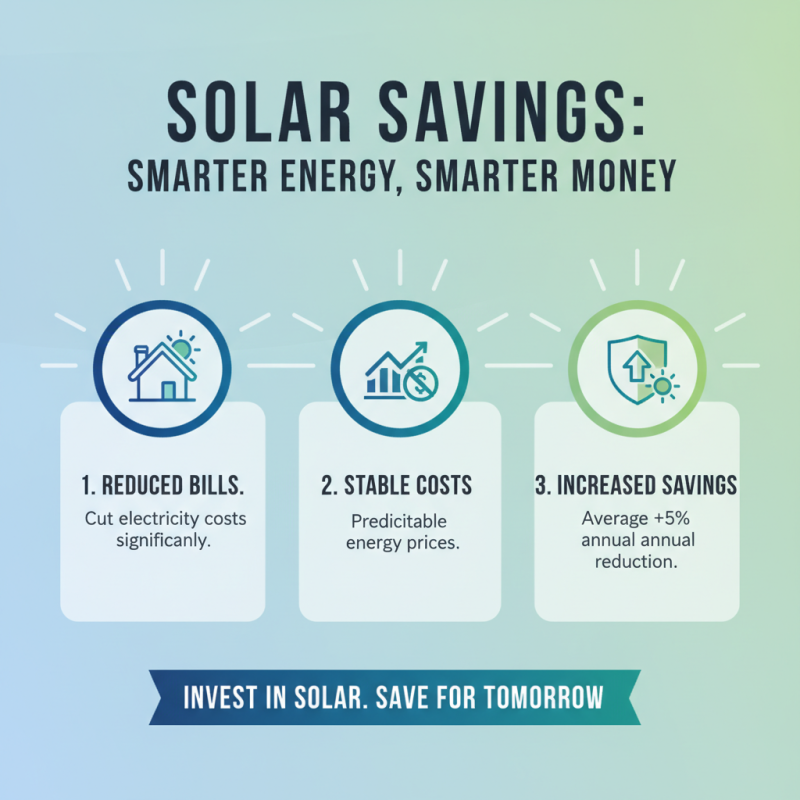
Installing a solar panel system can lead to significant cost savings. Households that adopt solar energy often see a marked reduction in electricity bills. According to the U.S. Energy Information Administration, residential electricity prices increased by around 5% over the past year. In contrast, solar energy provides a more stable and predictable cost structure.

Net metering programs enhance these savings further. When homeowners generate excess electricity, they can sell it back to the grid. The Solar Energy Industries Association reports that net metering allows consumers to offset their utility costs, sometimes reducing bills by 50% or more. This can be crucial, especially when energy prices fluctuate. However, not all areas offer favorable net metering policies, which warrants careful research.

Some households may face initial installation costs. While the average solar panel system can range from $15,000 to $25,000, tax credits can help mitigate upfront expenses. Awareness is essential, as not every homeowner fully understands the long-term financial implications. In many cases, people underestimate the potential savings. Investing in solar energy might require an upfront commitment. Yet, for many, the prospect of reduced monthly bills and a sustainable energy source proves rewarding.

Environmental Impact: Solar Energy's Role in Carbon Footprint Reduction

Solar energy plays a crucial role in reducing our carbon footprint. As homes switch to solar panel systems, they become less reliant on fossil fuels. This shift significantly lowers greenhouse gas emissions. Imagine a home powered by the sun, producing clean energy every day. This simple choice can reduce air pollution and promote a healthier environment.

However, the transition to solar isn't flawless. Initial installation costs can be high. Not every roof is suitable for solar panels. Some homeowners may face challenges in finding reliable installation services. It's important to weigh these challenges against the long-term benefits. Investing time in research can help identify potential issues and outstanding solutions.

Using solar energy can seem daunting, but the environmental benefits are immense. Embracing this renewable resource encourages a sustainable future. Every household making this shift contributes to a larger global effort. It is a step towards cleaner air and a healthier planet for future generations. The impact is real, but the path may require adjustment and reflection.

Top 10 Benefits of Using a Solar Panel System for House Installation
Benefit Description Impact on Carbon Footprint
Reduced Electricity Bills Solar panels can significantly lower monthly electricity expenses. Lower dependency on fossil fuels reduces carbon emissions.
Environmental Protection Solar energy is renewable and does not pollute the air. Significantly less carbon footprint compared to traditional energy sources.
Energy Independence Less reliance on imported fuels and energy markets. Decreases national carbon reliance.
Increase in Property Value Homes with solar installations tend to sell for more. Value increases encourage more renewable energy choices.
Job Creation The solar industry generates jobs in installation and maintenance. Reduction in unemployment can indirectly reduce carbon emissions.
Low Maintenance Costs Solar panels have low maintenance requirements after installation. Promotes sustainable practices and longevity in energy sources.
Tax Benefits and Incentives Many governments offer tax credits or rebates for solar installation. Encourages more households to adopt renewable energy solutions.
Grid Stability Distributed generation adds resilience to the energy grid. Reducing reliance on centralized fossil-fuel power reduces carbon emissions.
Sustainable Energy Source Solar energy is abundant and replenishable. Minimal carbon footprint compared to conventional energy sources.
Enhanced Community Health Reduced air pollution leads to improved public health. Lower emissions contribute to better air quality and lower health care costs.

Increased Property Value: Real Estate Trends with Solar Installations

The installation of a solar panel system can significantly increase property value. Homes with solar panels often sell for more. In sunny regions, buyers prioritize energy efficiency. They appreciate lower utility bills. This makes solar-equipped homes more desirable.

However, not all areas experience the same demand. In some regions, the return on investment is not immediate. Homeowners might not see an immediate increase. Buyers may need education about solar benefits. Misconceptions about maintenance costs can also deter potential buyers.

Many real estate trends show a growing interest in green technologies. In urban settings, homes with solar installations attract eco-conscious buyers. These buyers are willing to pay a premium. Property assessments often reflect this trend. Overall, despite some hurdles, the value of solar panels can be substantial.

Government Incentives: Tax Credits and Rebates for Solar Energy Adoption

Government incentives play a crucial role in making solar panel installations more accessible for homeowners. Tax credits can significantly offset installation costs. For instance, the federal solar tax credit offers 26% off the total installation cost for systems installed before the end of 2022. This means that a typical $20,000 solar system could save homeowners up to $5,200. Such savings make renewable energy a more attractive option.

In addition to tax credits, many states provide rebates. These can vary greatly. For example, California has offered rebates of up to $1,000 per installed kilowatt. This direct financial support encourages more homeowners to switch to solar energy. As per the Solar Energy Industries Association, over 2.7 million homes in the U.S. have adopted solar energy, highlighting the growing trend. Still, some may hesitate due to initial costs or bureaucratic processes related to claiming these incentives.

There is room for improvement in how information on these incentives is communicated. Many homeowners are unaware of their eligibility for tax credits or rebates. This lack of awareness could deter them from making the switch. Transparency in the application process is essential. Simplifying forms and offering clearer guidance could help bridge this gap and empower more people to adopt solar energy solutions.

Top 10 Benefits of Using a Solar Panel System for House Installation