
Solar Applications have rapidly transformed the energy landscape, offering innovative solutions for both residential and commercial sectors. Investing in these technologies can significantly enhance your financial returns while contributing to a sustainable future. As the demand for clean energy grows, solar applications become increasingly vital for homeowners and businesses alike.
The benefits of solar technology extend beyond mere energy savings. For instance, solar panels can drastically reduce electricity bills throughout their lifespan. Furthermore, government incentives and rebates enhance the financial appeal, making the initial investment more manageable. However, potential investors should carefully evaluate the different applications available today. Not all options may provide the same returns, leading to varied outcomes.
Adopting solar applications is not without challenges. Market fluctuations and installation costs are factors to consider. Additionally, some technologies may not be suitable for every location or type of building. A thorough analysis can help mitigate risks and maximize potential gains. Achieving a balance between environmental impact and investment return requires careful planning and informed decision-making.
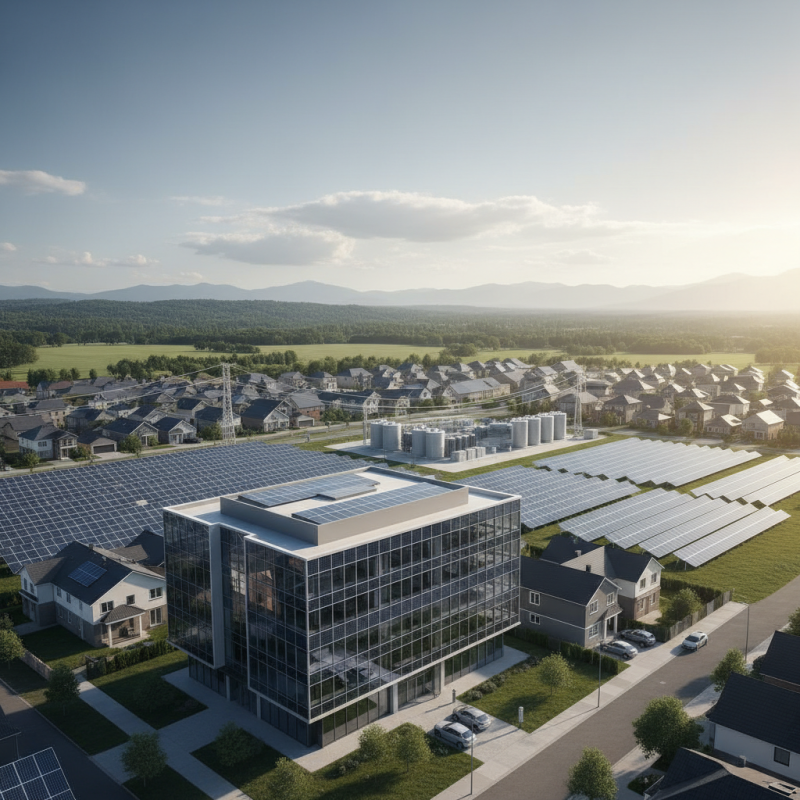
Residential solar applications are gaining attention for their potential to reduce energy costs. According to the U.S. Department of Energy, solar energy installations have increased by over 40% annually. This growth highlights the financial benefits for homeowners. Many households see a return on investment in around five to seven years. This is substantial compared to traditional energy sources.
Data indicates that homes with solar panels can save an average of $1,500 annually on electricity bills. These savings can be significant over time. However, it is essential to consider that not all installations guarantee such savings. Factors like home location, system size, and energy consumption play a critical role.
Homeowners also need to address potential inefficiencies in solar energy systems. It's reported that around 20% of solar installations underperform. This could be due to factors such as poor orientation or shading. Engaging with experienced professionals for design and installation can mitigate these risks. Understanding the balance between investment and savings is key. Transparency in the installation process will also boost trust in solar solutions.
Commercial solar solutions are increasingly popular among businesses looking to enhance their return on investment (ROI). Advanced technologies are revolutionizing this field, making solar energy more efficient and accessible. By implementing these modern systems, companies can significantly reduce energy costs. This reduction directly impacts the bottom line, allowing for reinvestment in other areas.
Consider integrating battery storage. This addition enhances energy reliability. It allows businesses to store surplus energy, reducing reliance on the grid. It’s not always straightforward; initial investment can be high. Yet, the long-term savings often outweigh upfront costs.
Another tip is to monitor solar energy production. Many businesses overlook this aspect. Regular checks can identify inefficiencies. Adjustments can lead to better performance. Staying informed ensures you maximize system potential. A proactive approach pays dividends over time.
Innovative solar storage systems are transforming the energy landscape. They store excess energy generated during the day for use at night. This technology enhances efficiency by ensuring that solar energy is available when it’s most needed. Homeowners can utilize this stored energy to reduce reliance on grid electricity. The result? Lower energy bills and a more sustainable lifestyle.
However, there are challenges in adopting these systems. Initial costs can be high, and understanding the technology may be complex. Battery lifespan is another concern. Users must be realistic about the longevity and capacity of their storage systems. Regular maintenance is essential to maximize performance. A proactive approach can significantly enhance the return on investment.
Investors must also consider local regulations and incentives. Government programs may provide rebates or tax credits, boosting the financial appeal. Knowledge of these incentives can influence purchasing decisions. Investing in solar storage requires not just financial commitment but also an understanding of evolving technologies and market dynamics. Adapting to these changes can yield substantial benefits in energy efficiency and cost savings.
This chart illustrates the potential investment return of various innovative solar applications. Each application demonstrates varying levels of efficiency and profitability, with energy storage systems being the most lucrative option for enhancing your investment in solar technology.
Utility-scale solar projects are gaining momentum in the renewable energy sector. In 2022, these projects accounted for over 62% of new solar capacity additions in the U.S., according to the Solar Energy Industries Association (SEIA). As the global demand for clean energy grows, investing in large-scale solar can offer significant financial benefits, attracting institutional investors and fostering economic growth.
Investors often see strong returns from utility-scale solar. The levelized cost of electricity (LCOE) for solar has dropped 89% since 2009, making it not only competitive but also more appealing compared to traditional energy sources. Furthermore, many states are implementing favorable policies and incentives to enhance the market. Projects in regions with high solar potential, like the Southwest, tend to achieve higher energy yields and lower costs.
Tip: Look for solar projects with long-term power purchase agreements (PPAs) to minimize risks. These agreements often provide predictable revenue streams, ensuring stability for your investment.
It’s important to remain aware of the regulatory landscape. Some laws might change, impacting project feasibility. Conducting thorough due diligence on site assessments and local policies can uncover potential risks and rewards. Ensure you're up-to-date on market trends to make informed decisions.
The solar energy landscape is evolving with new technologies and innovations. Emerging solar methods such as perovskite solar cells and bifacial panels hold the potential to redefine efficiency standards. These advancements promise to boost performance while reducing costs. Countries exploring these technologies are witnessing an uptick in adoption rates. It is clear that market demand is shifting towards these advanced solutions.
Evaluating the impact of these technologies reveals both opportunities and challenges. For instance, while perovskite cells offer enhanced efficiency, their long-term durability remains a question. Bifacial panels generate energy from both sides, but installation costs can be high for consumers. Stakeholders must weigh these factors carefully. Market growth will depend on the effective communication of both the benefits and limitations of these innovations. The balance of knowledge and transparency will enhance consumer trust and decision-making.
As electricity costs continue rising, many small households in Maharashtra seek sustainabl...Read More
Uttar Pradesh is making significant progress in adopting renewable energy, particularly so...Read More
With the Indian government actively promoting renewable energy through subsidies and polic...Read More
Tired of watching your electricity bills climb month after month and strain your pockets? ...Read More
Switching to solar energy in Gujarat has never been more profitable! With plenty of sunlig...Read More
If you live in Madhya Pradesh and want to save money on power while living a greener lifes...Read More
If you’re a resident of Bangalore looking to save on your skyrocketing electricity b...Read More
If you live in Karnataka and have been looking for an environmentally friendly, cost-effec...Read More
Delhi is a city that thrives on its vibrant energy, and what better way to complement that...Read More
As electricity costs continue rising, many small households in Maharashtra seek ...Read More
Uttar Pradesh is making significant progress in adopting renewable energy, parti...Read More
With the Indian government actively promoting renewable energy through subsidies...Read More