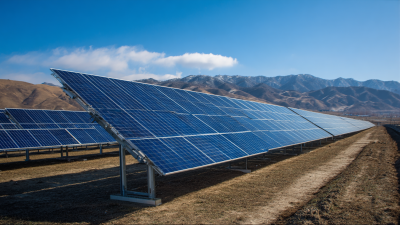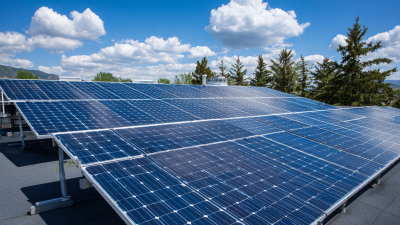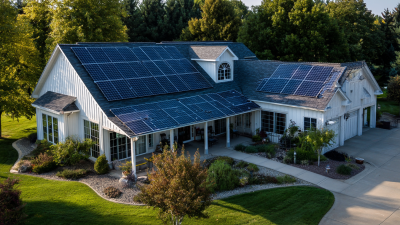
Choosing to install solar power panels is a significant decision for any homeowner. These panels capture sunlight and convert it into usable energy. They can reduce your electricity bills and your carbon footprint. Imagine reducing your monthly expenses while contributing to a cleaner environment.
Solar power panels can enhance your home’s value. Many buyers look for energy-efficient features. However, the initial investment can be daunting for some. You might wonder, is it really worth it? Over time, financial savings can outweigh upfront costs.
Additionally, weather plays a crucial role in solar efficiency. In some regions, sunlight may be limited. This could impact energy generation. Not every home is a perfect fit for solar power panels. You should assess your situation carefully. Take time to explore available options and gather insights.
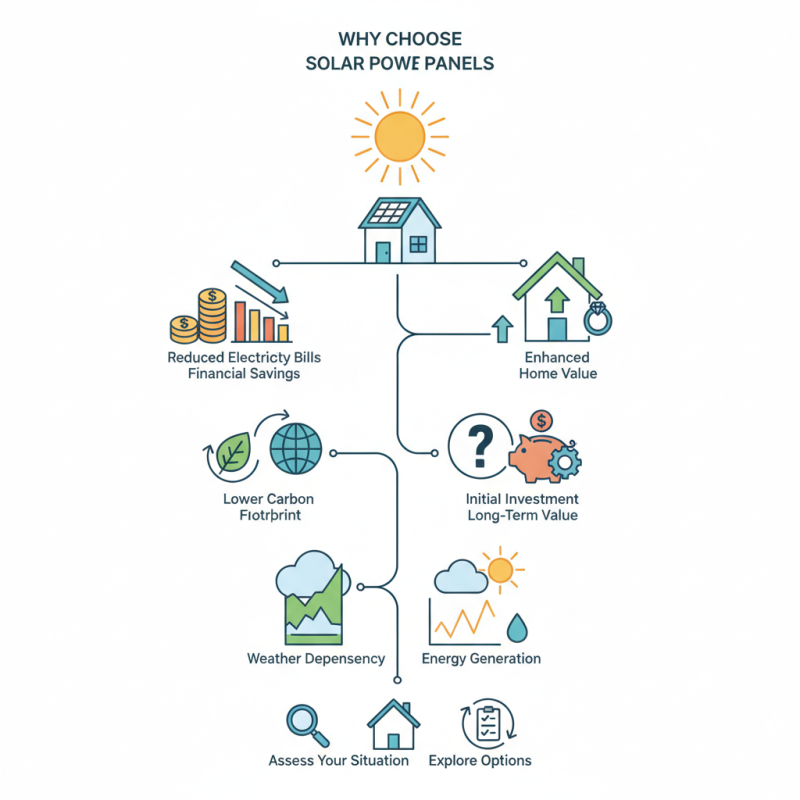
Choosing solar power panels for your home brings numerous benefits for homeowners. Solar energy is renewable and sustainable. It can significantly reduce your electricity bills. Imagine generating your own energy while decreasing reliance on traditional sources. This shift can also minimize your carbon footprint.
Financial incentives are often available. Many regions offer tax credits for solar installations. Homeowners can save money over time. However, the initial investment can be daunting. It's essential to assess your budget. Additionally, the efficiency of solar panels can vary. Some might not perform well in shaded areas.
Installing solar panels increases property value. Homes with solar energy systems are appealing to buyers. Yet, maintenance costs can arise. Keeping panels clean and operational requires attention. Homeowners should regularly inspect their systems. Embracing solar technology is a commitment that needs reflection. Transitioning to solar power panels is not just a trend; it’s a lifestyle change.
| Benefit | Description | Potential Savings | Environmental Impact |
|---|---|---|---|
| Reduced Electricity Bills | Solar panels can significantly lower monthly electricity bills by generating your own energy. | Up to 50% savings on electricity costs | Decreases reliance on fossil fuels |
| Tax Incentives | Many local governments offer tax benefits and incentives for installing solar energy systems. | Varies by region, can be thousands | Encourages investment in renewable energy |
| Increased Home Value | Homes with solar panel installations can sell for more due to lower utility costs. | Potential increase of 4% - 6% | Promotes sustainable living |
| Energy Independence | Solar power allows homeowners to produce their own energy, reducing dependence on external providers. | Variable, based on consumption | Reduces stress on the grid |
| Low Maintenance Costs | Once installed, solar panels require minimal maintenance, ensuring long-term efficiency. | Negligible annual maintenance costs | Encourages cleaner air and less pollution |
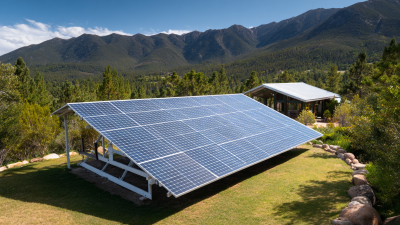
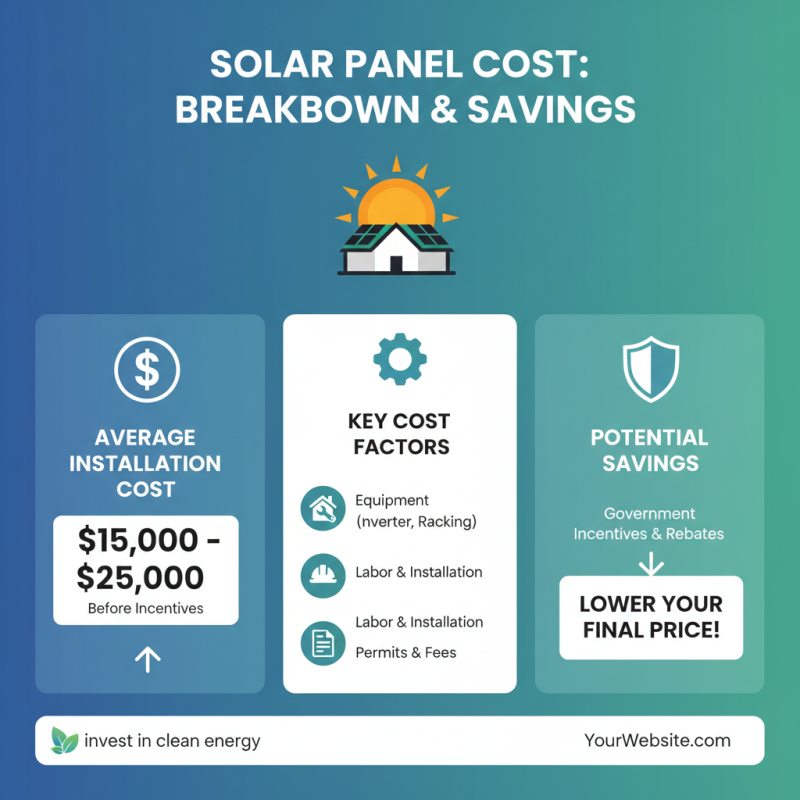
Installing solar energy systems can seem daunting. However, understanding the cost factors can ease concerns. The average cost of solar panel installation ranges between $15,000 and $25,000. This figure does not include potential government incentives or rebates, which can significantly lower the price.
According to the National Renewable Energy Laboratory, the average U.S. homeowner can save about $1,500 annually on energy costs after installation. Despite these savings, upfront costs can be a barrier. Some families might find it challenging to invest. Financing options and flexible payment plans can help, but they also lead to long-term financial commitments. The ROI on solar panels can take 5 to 10 years to materialize, which might seem like a long wait.
It's important to consider local electricity rates too. Areas with higher rates see quicker savings with solar power. Every home is unique. Factors like roof orientation and panel efficiency affect performance. Reflection and research into these variables can help homeowners make informed choices.
When considering solar power panels for your home, several factors should guide your decision. The most crucial aspect is the efficiency of the panels. High-efficiency models generate more electricity from sunlight. This leads to better energy savings and a quicker return on investment. Look for panels that have a proven track record. Efficiency ratings can vary widely among different products.
Another significant factor is the warranty and durability of the panels. Most reputable options come with long warranties, often 25 years or more. This ensures long-term performance without costly replacements. Pay attention to the materials used as well. Some panels are more resilient to weather changes, which can affect their lifespan.
Installation and maintenance are also vital considerations. A professional installation can make a difference in panel performance. While DIY installations might save money, they can sometimes lead to additional costs if mistakes occur. Regular upkeep is necessary to keep the system running efficiently. Small issues can become significant problems if not addressed. It's essential to weigh the pros and cons before making a final choice.
Solar power systems are known for their durability and low maintenance needs. Once installed, they usually require minimal upkeep. However, some homeowners overlook the importance of periodic checks. Dust, leaves, and debris can accumulate on the panels, reducing efficiency. Regular cleaning can help maintain optimal performance.
Most solar systems have a lifespan of over 25 years. This longevity is appealing for many. Still, components like inverters may need replacement sooner. It's crucial to schedule inspections for these parts. Ignoring them can lead to unexpected costs later.
Investing in solar power can be rewarding, but it comes with responsibilities. Understanding maintenance needs can help homeowners optimize their systems. Regular maintenance ensures the longevity of solar panels and maximizes energy savings over time.
This bar chart illustrates the financial aspects of solar power systems, highlighting the initial installation cost, annual maintenance cost, and the average lifespan. Solar power systems are a long-term investment, often leading to significant savings over time due to their low maintenance costs and extended lifespan.
Switching to solar energy can significantly reduce your carbon footprint. Traditional power sources, such as coal and oil, release harmful emissions. These contribute to air pollution and climate change. Solar power is a clean alternative. It generates electricity without producing greenhouse gases.
Investing in solar panels helps protect natural resources. Using the sun’s energy means less reliance on finite fossil fuels. Sunlight is abundant and free. However, harnessing this energy isn't perfect. Manufacturing solar panels requires raw materials and energy. This process can create waste and pollution which need careful management.
The shift to solar energy involves trade-offs. While solar panels offer clear environmental benefits, the installation can be costly. Homeowners must weigh these costs against future savings. It’s important to consider both the immediate impact and long-term effects. Transitioning to solar power can foster a more sustainable lifestyle, but awareness of its complexities is crucial.
As electricity costs continue rising, many small households in Maharashtra seek sustainabl...Read More
Uttar Pradesh is making significant progress in adopting renewable energy, particularly so...Read More
With the Indian government actively promoting renewable energy through subsidies and polic...Read More
Tired of watching your electricity bills climb month after month and strain your pockets? ...Read More
Switching to solar energy in Gujarat has never been more profitable! With plenty of sunlig...Read More
If you live in Madhya Pradesh and want to save money on power while living a greener lifes...Read More
If you’re a resident of Bangalore looking to save on your skyrocketing electricity b...Read More
If you live in Karnataka and have been looking for an environmentally friendly, cost-effec...Read More
Delhi is a city that thrives on its vibrant energy, and what better way to complement that...Read More
As electricity costs continue rising, many small households in Maharashtra seek ...Read More
Uttar Pradesh is making significant progress in adopting renewable energy, parti...Read More
With the Indian government actively promoting renewable energy through subsidies...Read More