
How to Choose the Right EV Charger for Your Electric Car?

Choosing the right Ev Charger Car for your electric vehicle is crucial. With many options available, the decision can feel overwhelming. Understanding your needs is essential. Different chargers have varying speeds, compatibility, and installation requirements.

Consider factors like your driving habits and home setup. Do you drive long distances? A faster charger might be necessary. Are you limited on space? You may need a compact option. Additionally, the cost of installation can vary, impacting your choice.

Reflecting on your choices can help. You might find that a budget-friendly option lacks the speed you desire. Balancing cost with functionality is key. Selecting the right EV charger car involves careful thought and planning. Ultimately, making an informed choice can enhance your electric vehicle experience.
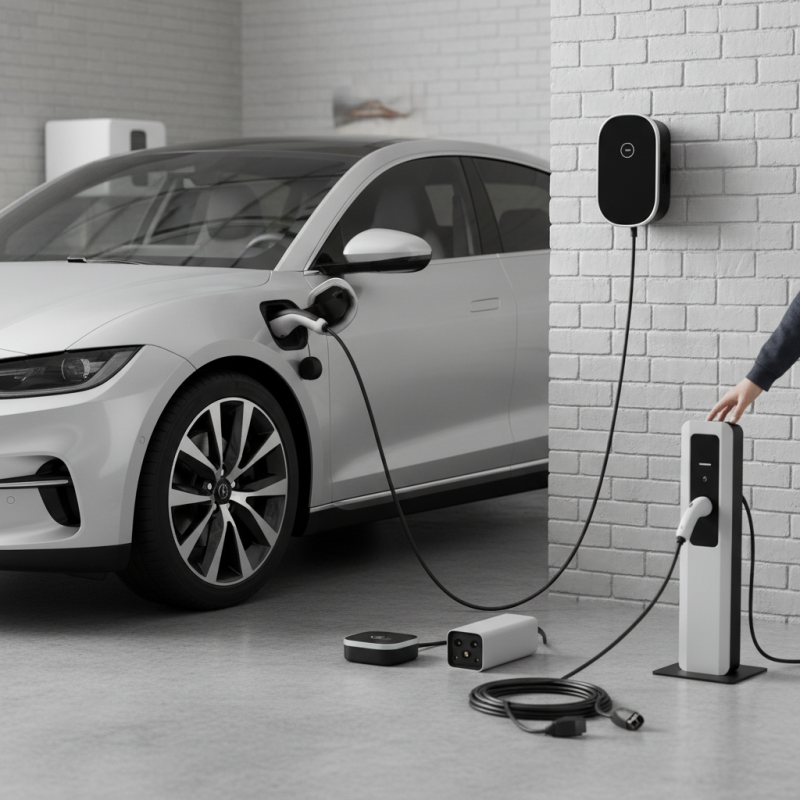
How to Choose the Right EV Charger for Your Electric Car?

Understanding the Different Types of EV Chargers Available Today

When selecting an EV charger, understanding the available types is essential. Level 1 chargers use standard household outlets. They are slow, providing about 4-5 miles of range per hour. This option suits those who can charge overnight. However, it may not be ideal if you need quicker charging.

Level 2 chargers are more powerful. They require a dedicated 240-volt outlet. With these, you can gain 10-60 miles of range per hour. They are perfect for home installations and public charging. The availability of Level 2 chargers is expanding, making them a popular choice.

For fast charging, there are DC fast chargers. These can deliver up to 80% range in just 30 minutes. However, they are much more expensive and less accessible for home use. Consider where you live and your routine when choosing. Some people may rush into a decision and overlook their specific needs.

Tips: Assess your daily driving habits. This helps determine which charger meets your needs. Think about installation costs too. Sometimes, going for a slightly more expensive charger pays off in the long run. Always keep in mind future upgrades or changes in your electric vehicle.

Evaluating Charging Speed: Level 1 vs. Level 2 vs. DC Fast Chargers

Choosing the right EV charger for your electric vehicle depends on your needs. Charging speed is a crucial factor. There are three main types of chargers: Level 1, Level 2, and DC fast chargers.

Level 1 chargers are the slowest. They plug into standard household outlets. Charging can take all night to provide a full battery. It’s perfect for drivers who don’t travel far. These chargers can be less convenient, as you might wake up to an only partially charged vehicle.

Level 2 chargers are faster, providing about 10 to 60 miles of range per hour. These require a dedicated circuit. Many homes install them for daily charging. If you use your car for commuting, this option can be ideal. However, installation costs can add up.

DC fast chargers are the quickest. They can charge an EV to 80% in about 30 minutes. These are often found at public charging stations. They’re great for long trips but may not always be accessible. Relying solely on fast chargers can be challenging.

Tips: Evaluate your driving habits before choosing a charger. Think about installation costs and your electricity rate. Consider a mix of charging options for convenience and range.

Key Features to Consider When Selecting an EV Charger

When selecting the right EV charger for your electric car, consider charging speed. Chargers come in three levels: Level 1, Level 2, and DC fast chargers. Level 1 offers a meager output of 2-5 miles of range per hour. Level 2 enhances this to 10-60 miles per hour, making it a preferred choice for home use.

Compatibility is another crucial factor. Ensure the charger matches your vehicle’s connector type. According to data from the Electric Vehicle Charging Infrastructure (EVCI) report, around 90% of EVs on the market today use either the J1772 or CCS connector. Check local regulations as well; some areas have stricter requirements for charger installation.

Finally, pay attention to additional features. Smart chargers offer Wi-Fi connectivity. This allows for remote monitoring and scheduling. Some relevant surveys indicate that 40% of EV owners find these features essential for daily use. Balance convenience with cost, as more features may mean a higher price point. Reflecting on your needs will guide you in making a well-informed choice.

Assessing Your Home's Electrical Infrastructure for EV Charging

When considering an electric vehicle charger, assessing your home's electrical infrastructure is crucial. Your home must support the power requirements of the charger. Look at your electrical panel. Is it up to date? An outdated panel may not handle the load, leading to issues.

Check the wiring in your home. Older homes might have inadequate wiring for high-capacity chargers. This oversight can result in inefficiencies. It’s not just about having enough outlets. You might also need a dedicated circuit for safe operation.

Consider your charging needs. Do you drive long distances daily? A Level 2 charger might be necessary. However, if you mostly make short trips, a standard outlet could suffice. Evaluate your habits realistically. Rushing into decisions without proper assessment can lead to disappointment. You might regret not investing in the right setup from the start.

How to Choose the Right EV Charger for Your Electric Car? - Assessing Your Home's Electrical Infrastructure for EV Charging

Charger Type Charging Speed (Miles per Hour) Voltage Requirement Amperage Installation Complexity
Level 1 Charger 2-5 miles 120V 15-20A Easy
Level 2 Charger 10-30 miles 240V 30-50A Moderate
DC Fast Charger 60-100 miles 480V 100-400A Complex
Home Solar Charger Varies Varies (usually 240V) 10-60A Moderate to Complex

Budgeting for Your EV Charger: Costs and Installation Considerations

When budgeting for your electric vehicle (EV) charger, consider initial costs and installation expenses. A Level 2 home charger typically costs between $400 and $1,500. This price can vary based on features and installation complexity. Installation costs can add another $300 to $1,000. Wiring and labor affect these estimates.

Tips: Prioritize local electricians who specialize in EV chargers. They can provide more accurate cost estimates. Ensure that your home’s electrical system can handle the additional load.

You should also budget for potential upgrades. Some homes require electrical panel upgrades, which might cost an extra $2,000. According to industry reports, over 80% of EV owners charge at home. Evaluate your charging habits. You may not need the highest-capacity charger. A less expensive option could suffice for overnight charging.

Ultimately, proper budgeting for an EV charger is crucial. Assess the long-term value and convenience against the upfront costs. Prioritize options that fit your lifestyle. Investing wisely now can lead to significant savings and convenience in the future.