How to Choose the Best Solar Panels for Your Business Needs

In an era where sustainability and cost-efficiency are paramount, choosing the right solar panels for business has become a pivotal decision for companies looking to invest in renewable energy. According to the Solar Energy Industries Association (SEIA), the commercial solar market is projected to grow by as much as 30% annually over the next five years, indicating a robust shift towards solar technology among businesses. This growth underscores the necessity for businesses to select the most suitable solar panels tailored to their specific needs to maximize their return on investment.

Experts in the field, such as Dr. Emily Rodriguez, a renowned solar energy consultant, emphasize the importance of this choice, stating, "Selecting the right solar panels is not just about sustainability; it's about enhancing operational efficiency and reducing long-term costs." Her insights reflect a growing consensus in the industry that businesses must conduct thorough evaluations of various solar panel types, including factors like efficiency ratings, warranty terms, and scalability. As we delve into the key considerations for selecting solar panels for business, we will explore the latest innovations and industry standards that can help organizations make informed choices that align with their sustainability goals and financial expectations.
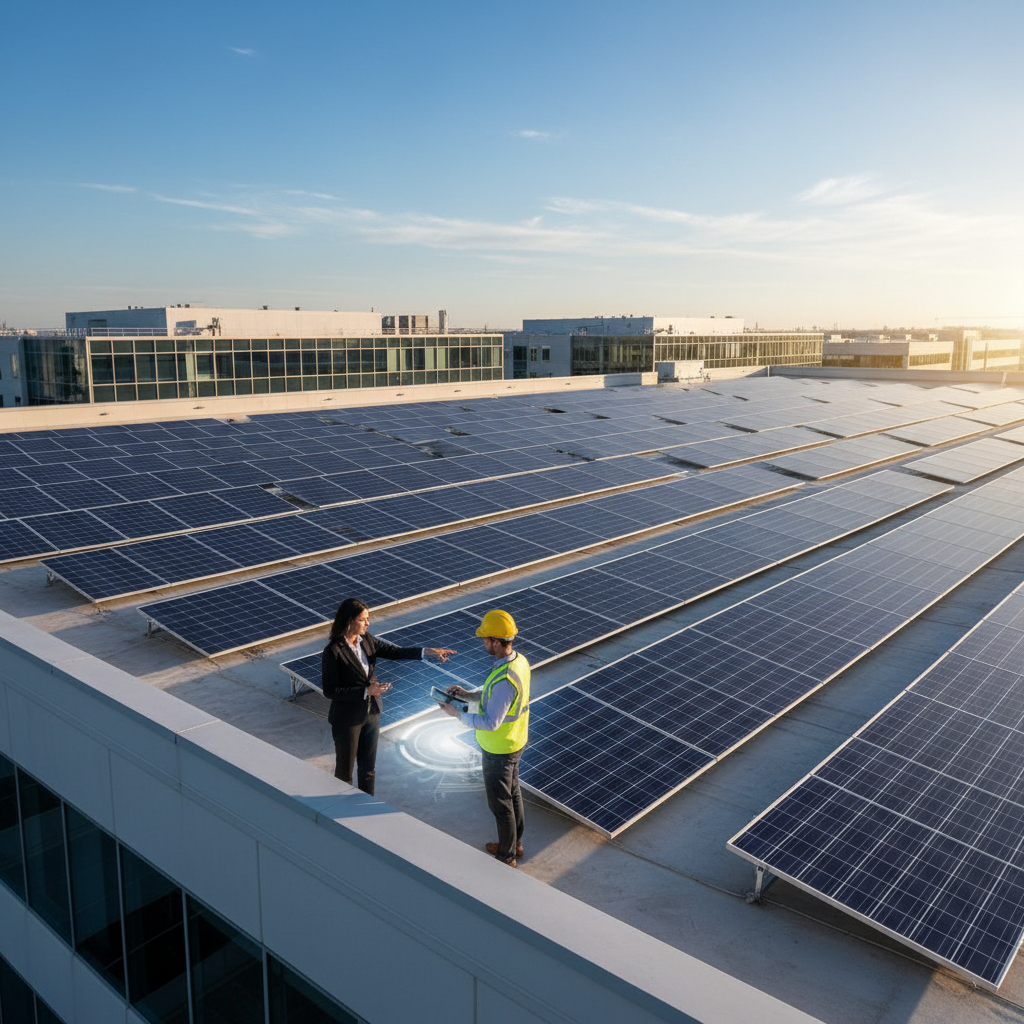
How to Choose the Best Solar Panels for Your Business Needs

Understanding Your Energy Needs and Consumption Patterns

Understanding your energy needs and consumption patterns is crucial when selecting solar panels for your business. Start by analyzing your current energy usage over a typical year. Look at your electricity bills to identify peak usage times and overall consumption patterns. This data will help you understand how much energy you require on a daily, monthly, and annual basis, which is essential when determining the size and capacity of the solar panel system that will best suit your needs.

Next, consider the specific requirements of your business operations. Different types of businesses may have varying energy demands; for instance, a manufacturing facility will likely have a higher energy requirement compared to a small retail shop. Additionally, evaluate seasonal fluctuations in energy use, as this can impact the design of your solar energy system. By comprehensively understanding these aspects, you can choose solar panels that not only meet your immediate energy needs but also accommodate potential growth and changes in consumption patterns over time.
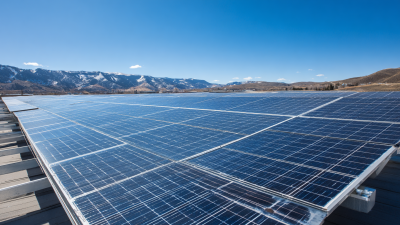
Evaluating Solar Panel Types: Monocrystalline vs. Polycrystalline vs. Thin-Film

How to Choose the Best Solar Panels for Your Business Needs

When selecting solar panels for your business, understanding the differences between monocrystalline, polycrystalline, and thin-film panels is crucial. Monocrystalline panels are made from single crystal silicon, giving them a higher efficiency rate—typically between 15% to 22%. According to the National Renewable Energy Laboratory (NREL), these panels occupy less space due to their higher power output, making them ideal for businesses with limited roof area. They also tend to have a longer lifespan, often exceeding 25 years, which can be an important factor for long-term investments.

On the other hand, polycrystalline panels are formed from multiple silicon crystals, which generally results in a lower efficiency rate ranging from 13% to 16%. While these panels are often less expensive, they require more space to generate the same amount of energy as their monocrystalline counterparts. The Solar Energy Industries Association (SEIA) reports that polycrystalline technology has been popular for large-scale installations where space is less of a constraint. Lastly, thin-film solar panels, made from various materials, offer flexibility and a lower upfront cost. However, their efficiency rates are typically around 11% to 13%, making them suitable for specific applications where weight and space are not major issues. Each type has distinct advantages and disadvantages, and businesses should carefully assess their energy needs and available space before making a decision.

Assessing Efficiency Ratings and Their Impact on Performance

When selecting solar panels for your business, one of the pivotal factors to consider is their efficiency ratings, which can significantly impact overall performance. Efficiency ratings indicate how effectively a solar panel converts sunlight into usable electricity. According to the National Renewable Energy Laboratory (NREL), the average efficiency of commercially available solar panels ranges from 15% to 22%. Choosing panels on the higher end of this spectrum not only maximizes energy output but also optimizes space, especially for businesses with limited rooftop area.

Moreover, the efficiency of solar panels has been shown to influence long-term savings and return on investment. A report by the Solar Energy Industries Association (SEIA) states that higher efficiency panels tend to produce more electricity over their lifespan, often leading to greater utility savings. For example, panels with an efficiency rating of 20% can generate roughly 10% more energy than those at 15%, which can translate into thousands of dollars in savings over 25 years. Therefore, meticulously assessing the efficiency ratings of solar panels is crucial for businesses looking to maximize their investment in solar energy and enhance their sustainability initiatives.

Solar Panel Efficiency Ratings Comparison

This chart compares the efficiency ratings of different solar panel types, illustrating how their efficiency impacts overall performance. Higher efficiency ratings typically translate to better energy production and reduced space requirements for solar installations.

Considering Installation Costs and Long-Term Savings

When selecting solar panels for your business, understanding installation costs and long-term savings is crucial. Initial investment can vary widely depending on the size and technology of the panels, as well as installation complexity. It’s important to conduct a cost analysis that includes not only the upfront expenses but also potential savings on energy bills over time. Many businesses can recover their investment within a few years due to reduced electricity costs, especially in areas where utility rates are high or where government incentives are available.

In addition to installation costs, evaluating the long-term savings associated with solar panel installation can significantly influence your decision. These savings can include lower monthly utility bills and reduced reliance on non-renewable energy sources.

Moreover, as global markets increasingly focus on sustainable practices, integrating solar energy can also enhance your business's reputation and attract environmentally conscious customers. As the market for solar technology grows, with projected CAGR figures hinting at strong future demand, businesses that adopt solar solutions early may position themselves advantageously for both cost savings and enhanced competitiveness.

Researching Reputable Manufacturers and Warranty Options

When selecting solar panels for your business, one crucial aspect to consider is the reputation of manufacturers. Researching reputable manufacturers ensures that you invest in high-quality, reliable products. Look for companies with a proven track record of performance and customer satisfaction. Check online reviews and industry rankings to identify those that have consistently delivered durable and efficient solar solutions.

Additionally, pay close attention to warranty options offered by these manufacturers. A solid warranty not only protects your investment but also reflects the manufacturer's confidence in their product. It's essential to understand the terms of the warranty, including its duration and coverage details. This knowledge will provide peace of mind, knowing that your solar panels are safeguarded against defects and performance issues. By focusing on reputable manufacturers and understanding warranty options, you can ensure that your solar energy investment meets your business needs effectively.

How to Choose the Best Solar Panels for Your Business Needs - Researching Reputable Manufacturers and Warranty Options

Manufacturer Panel Efficiency (%) Average Cost per Watt ($) Warranty Years (Product) Warranty Years (Performance)
Manufacturer A 21.5 3.00 12 25
Manufacturer B 20.0 2.80 15 25
Manufacturer C 19.5 2.50 10 20
Manufacturer D 22.0 3.25 25 30
Manufacturer E 18.8 2.70 12 25