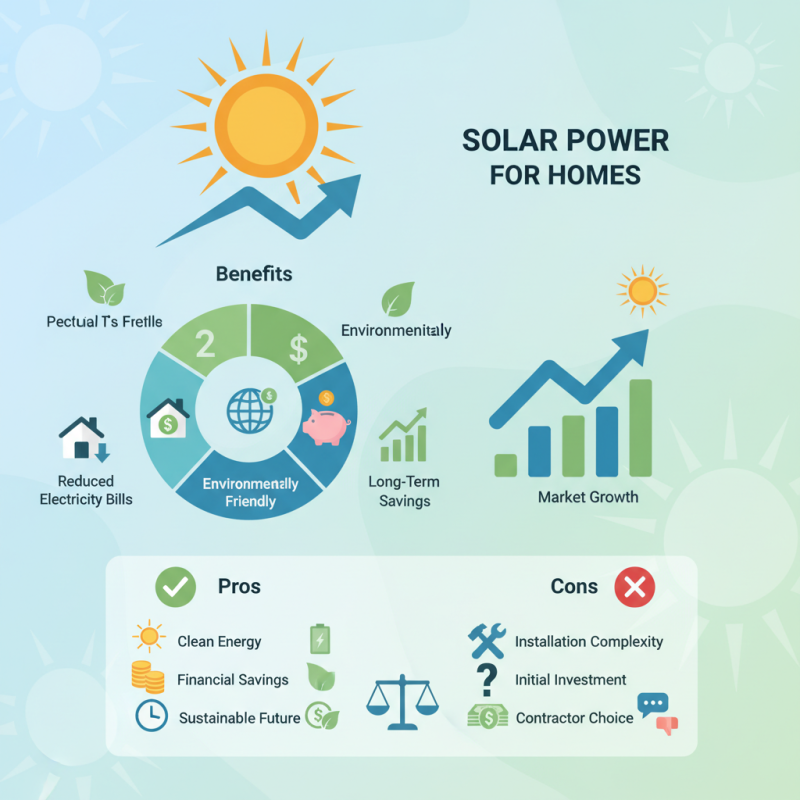
Investing in solar panels for home use is a decision that comes with numerous benefits. According to the Solar Energy Industries Association, the U.S. solar market grew by 43% in 2020 alone. This trend demonstrates the increasing interest in clean energy solutions. Mark Jacobson, an expert in renewable energy at Stanford University, states, "Solar panels for homes are not only environmentally friendly but also economically sensible."
Homeowners are continually searching for ways to reduce their electricity bills. A solar panel system can save you thousands over its lifespan. In areas with abundant sunlight, the benefits are even greater. However, some may feel overwhelmed by the initial investment costs and technical requirements. It’s crucial to weigh these factors carefully.
Moreover, while the advantages are compelling, installation can be complex. Finding a reliable contractor is essential. Some homeowners report dissatisfaction due to poor installation practices. Hence, choosing the right provider becomes vital. Understanding both the pros and cons of solar panels for home use is necessary before making a decision.
Solar panels have become an appealing option for many homeowners. The advantages of solar energy are substantial. According to the U.S. Department of Energy, solar energy can reduce electricity bills by 50% on average. This means significant savings over the years for families.
Installing solar panels also increases property values. Reports indicate homes with solar energy systems sell for 4% more than homes without. This is a smart investment. Homeowners can reap the benefits of clean energy while increasing their equity.
Consider these tips if you're thinking about solar. Evaluate your roof for sunlight exposure. A south-facing roof is ideal. Research local incentives and tax credits; they can help reduce installation costs. Keep in mind the initial investment can be high. Reflect on your energy needs and financial situation before committing.

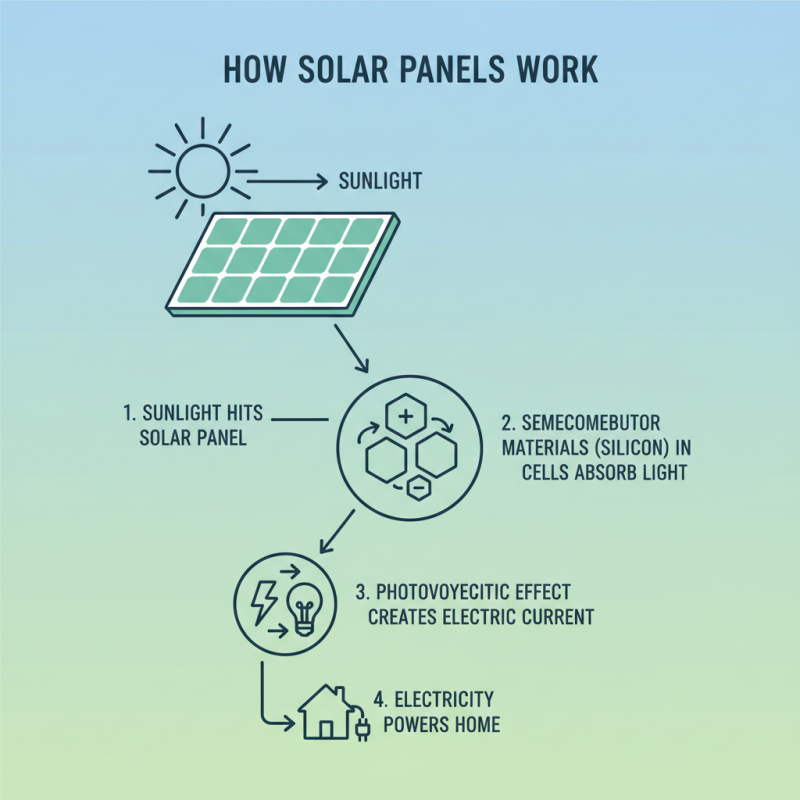
Solar panels capture sunlight and convert it into electricity. They consist of many solar cells made from semiconductor materials. These materials respond to light exposure, creating an electric current. This process is called the photovoltaic effect.
When sunlight hits the solar panels, it excites electrons. These free electrons then create a flow of electricity. This energy can power your home or charge batteries. During sunny days, solar panels can generate a lot of energy. However, their efficiency drops in cloudy weather. Installation requires careful planning. You need to consider factors like roof orientation and shading.
Fitting solar panels can be costly upfront. But over time, they save on energy bills. Some homeowners feel overwhelmed by the technology. It may take time to understand how they function. Regular maintenance is necessary, too. Dust and debris can impact performance. What works for one household may not fit another. It's essential to evaluate your energy needs before deciding. Understanding the pros and cons is crucial for potential buyers.
Solar panels offer transformative financial benefits for homeowners. In 2022, the Solar Energy Industries Association reported that residential solar installations grew by over 20%. Homeowners are not just going green; they are also saving green. A typical solar panel system can save a homeowner about $20,000 over its lifetime. Adjustments in local incentives may change this figure. It’s important to stay informed.
Tax credits play a crucial role. The federal solar tax credit allows homeowners to deduct a significant percentage of installation costs from their federal taxes. Some states offer additional incentives. These can further decrease upfront costs. Yet, local regulations and eligibility vary. Homeowners must research thoroughly.
Rising energy prices make solar panels an appealing choice. In recent years, electricity costs have risen by about 3% annually. Solar energy can protect homeowners from these fluctuations. Even if a solar investment doesn't yield immediate returns, long-term benefits surface. But not every home is suitable for solar. Factors like roof orientation and shading impact efficiency. A thorough evaluation is essential before proceeding.
This bar chart illustrates the potential savings over a 10-year period for homeowners who install solar panels. As indicated, the savings increase significantly each year, showcasing the long-term financial benefits of solar energy investment.
Solar energy offers a sustainable alternative to traditional power sources. By using solar panels, you reduce your carbon footprint. This shift helps combat climate change. Homes powered by solar energy contribute less pollution. The environmental benefits are significant. They include decreased greenhouse gas emissions and reduced reliance on fossil fuels.
Consider the amount of sunlight your location receives. Regions with ample sunlight benefit more from solar energy. Effective installation can make a substantial difference in energy production. Regular maintenance is also essential for efficiency. Small repairs, like cleaning panels, can enhance their performance.
Tips: Analyze your energy needs carefully. This will help in choosing the right size of the solar system. Look into local incentives for solar installations. Many regions offer tax credits or rebates that can lower upfront costs. Assessing these options makes solar more accessible.
Many people hesitate to install solar panels due to various misconceptions. One common myth is that solar panels only work in sunny climates. While they are most efficient in direct sunlight, solar panels can still generate electricity on cloudy days. In fact, they can capture reflected sunlight efficiently.
Another misconception is the high cost of solar panel installation. While the upfront investment is significant, various government incentives can lower the costs. Many homeowners find that the long-term savings on energy bills outweigh the initial expenses. It's important to consider your energy needs and evaluate the potential return on investment.
Some believe solar panels require too much maintenance. In reality, they often need minimal upkeep. Regular cleaning and occasional inspections usually suffice. However, it's crucial to choose a good installation team for optimal performance. Evaluating these myths can help you make an informed decision about solar energy for your home.
As electricity costs continue rising, many small households in Maharashtra seek sustainabl...Read More
Uttar Pradesh is making significant progress in adopting renewable energy, particularly so...Read More
With the Indian government actively promoting renewable energy through subsidies and polic...Read More
Tired of watching your electricity bills climb month after month and strain your pockets? ...Read More
Switching to solar energy in Gujarat has never been more profitable! With plenty of sunlig...Read More
If you live in Madhya Pradesh and want to save money on power while living a greener lifes...Read More
If you’re a resident of Bangalore looking to save on your skyrocketing electricity b...Read More
If you live in Karnataka and have been looking for an environmentally friendly, cost-effec...Read More
Delhi is a city that thrives on its vibrant energy, and what better way to complement that...Read More
As electricity costs continue rising, many small households in Maharashtra seek ...Read More
Uttar Pradesh is making significant progress in adopting renewable energy, parti...Read More
With the Indian government actively promoting renewable energy through subsidies...Read More