As the demand for sustainable energy grows, residential solar power systems are becoming increasingly popular. According to the Solar Energy Industries Association (SEIA), U.S. residential solar installations reached a record high of over 3 million by 2022. This shift indicates a strong trend toward eco-friendly solutions. Homeowners often seek ways to reduce energy costs and carbon footprints, making solar an attractive option.
Choosing the right residential solar power systems can be daunting. Numerous factors influence your decision, such as cost, efficiency, and local regulations. Reports show that homeowners can save between $10,000 to $30,000 over the lifespan of a solar system. However, many still undervalue the long-term benefits. The right choice not only affects finances but also environmental impact. Each decision about solar systems warrants careful consideration.
Selecting a solar power system involves more than just pricing. It's essential to evaluate technology types, installation services, and warranty options. Despite this knowledge, many homeowners rush their choices, potentially leading to regret later. As research shows, informed decisions yield better results. Understanding these critical elements will empower consumers to harness the full potential of residential solar power.
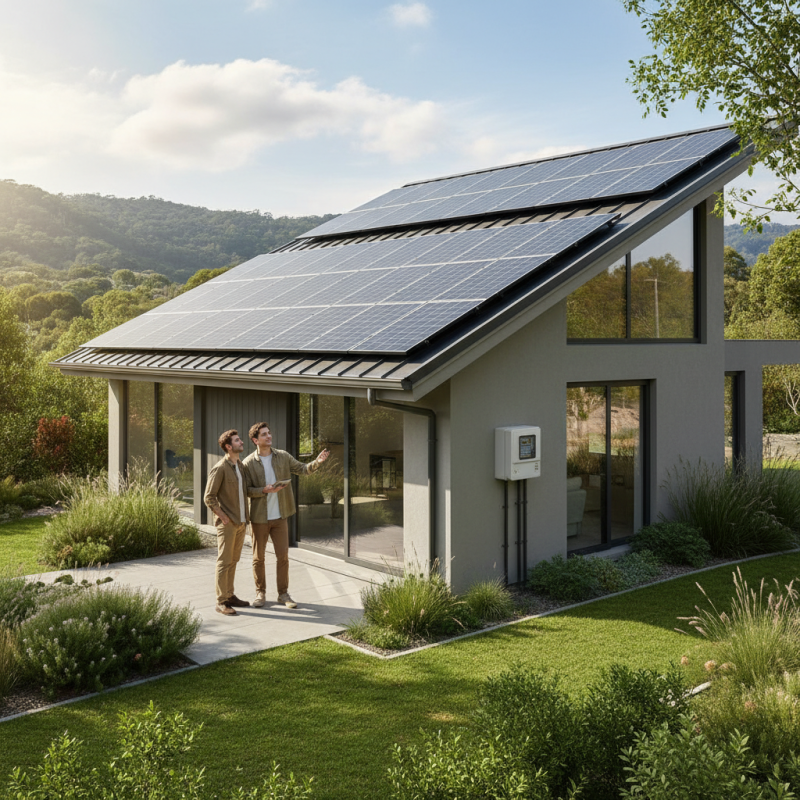
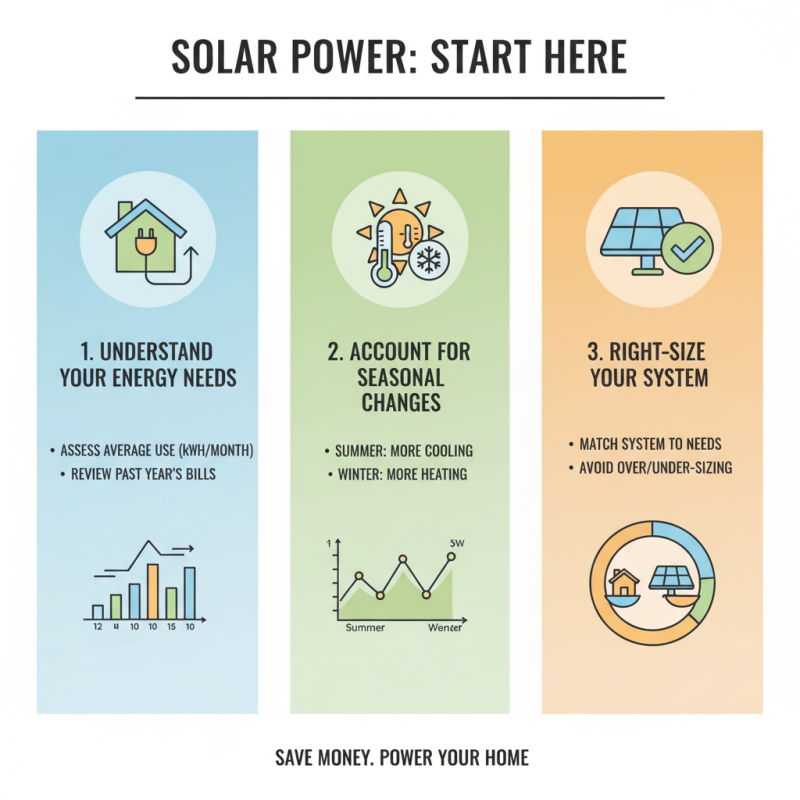
Choosing the right solar power system starts with understanding your energy needs. Assess your average energy consumption. Look at your bills from the past year. This gives you a clear idea of how much energy you use monthly. It’s crucial to consider seasonal variations as well. You may consume more energy in summer for cooling or in winter for heating.
Determine your roof size and orientation. A larger, south-facing roof collects more sunlight throughout the year. You might need to trim some trees or adjust your landscape. It’s also important to think about the future. Your energy needs may change. Will you add more appliances or an electric vehicle? These decisions will impact your solar power requirements significantly.
Investing in a solar system can be complex. It’s easy to get overwhelmed. You might feel lost among options. Engage with local experts for their insights. They can provide tailored recommendations based on your energy profile. However, remember that their advice may not cover all possibilities. It’s vital to reflect on your options and do your own research.
When evaluating residential solar panels, it’s important to understand the different types available. There are primarily three types: monocrystalline, polycrystalline, and thin-film panels. Monocrystalline panels are known for their high efficiency and sleek appearance. They can convert up to 22% of sunlight into electricity. However, they often come with a higher price tag. In contrast, polycrystalline panels are more cost-effective but generally offer lower efficiencies, typically around 15-18%. Thin-film options are the least efficient, with varying rates, sometimes as low as 10%. They can be easier to install, but their overall performance may hinder return on investment.
Inverters are another critical component in residential solar power systems. There are mainly string inverters, microinverters, and power optimizers. String inverters are commonly used due to their lower costs. However, they can struggle with shading issues. Microinverters offer enhanced performance and reliability, especially for rooftops with varying sunlight exposure. They can increase energy production by up to 20%. Meanwhile, power optimizers offer a middle ground, optimizing energy output without the higher costs of microinverters.
Choosing the right combination of panels and inverters can be overwhelming. According to the National Renewable Energy Laboratory, a careful analysis of specific energy needs, roof conditions, and sunlight exposure is essential. Many homeowners may overlook these factors, leading to underperformance. Detailed comparisons and installation specifics can make a considerable difference in energy savings over time.
Investing in residential solar power systems involves serious financial considerations. The initial cost may seem daunting. A typical residential solar installation can range from $15,000 to $25,000. This investment can pay off significantly over time. Reports indicate that homeowners can save up to $30,000 on energy bills over 20 years. Yet, these savings depend on local energy costs and solar incentives.
Tax credits and rebates can greatly reduce upfront costs. The Federal Investment Tax Credit (ITC) allows homeowners to deduct 26% of their installation costs. However, this credit will decrease after 2023. This creates a sense of urgency for potential customers. Some may delay, thinking prices will drop further. Yet, historical trends show that installation costs can fluctuate. Keeping an eye on local regulations and incentives is crucial.
Financing options can also impact the overall investment. Many homeowners choose solar loans or leases. A study revealed that nearly 60% of solar users opt for financing. This can make installations more manageable. Still, it’s essential to consider long-term implications. Interest rates and loan terms can affect overall expenses. Evaluating these factors carefully is vital for a successful solar investment.
| Tip | Details | Financial Implications |
|---|---|---|
| 1. Assess Your Energy Needs | Calculate your monthly electricity usage to determine the system size you need. | Understanding needs can help avoid overspending on an oversized system. |
| 2. Research Incentives | Look for federal, state, or local solar incentives and tax credits. | Incentives can significantly reduce the upfront cost of solar systems. |
| 3. Compare Different Systems | Investigate different solar panel types and technologies available. | Different technologies have varying upfront costs and efficiencies. |
| 4. Evaluate Installation Costs | Get quotes from multiple installers while understanding the service offered. | Installation quality can affect system longevity and performance. |
| 5. Check Warranty Options | Understand the warranties on panels and inverters from the manufacturer. | Warranties affect long-term maintenance and replacement costs. |
| 6. Understand Financing Options | Explore loans, leases, and power purchase agreements (PPAs). | Financing can impact overall savings and cash flow. |
| 7. Review Energy Bills | Analyze past bills to identify savings potential with solar. | Knowing savings can help justify the investment costs. |
| 8. Consider System Scalability | Look for systems that can be expanded in the future if energy needs grow. | Planning for scalability can save long-term costs. |
| 9. Evaluate Shading Issues | Assess if trees, buildings, or other structures might block sunlight. | Shading can decrease energy production and savings. |
| 10. Calculate Return on Investment (ROI) | Estimate total savings over time compared to initial investment. | A good ROI indicates a worthwhile investment in solar energy. |
When considering solar power systems for your home, understanding local regulations is vital.
Each state, city, or municipality may have different rules governing solar installations. These regulations can affect everything from where panels can be placed to how much sunlight exposure they can receive. Some areas may require permits or specific inspections before installation can proceed. Failure to follow these regulations may lead to fines or project delays.
Incentives for solar power systems often vary by location as well. Many governments offer tax credits, rebates, or other financial incentives to new solar users. Researching these incentives can reduce the overall cost of installation. In some cases, the savings are significant. However, not every incentive is straightforward. Some may have expiration dates or require additional paperwork. It’s essential to read the fine print carefully.
Exploring local regulations and incentives takes time and effort. Skipping this research could lead to unexpected challenges. It’s a good idea to speak with professionals in your area. They can provide insights that online resources may overlook. Ultimately, thorough research can make your transition to solar energy smoother and more cost-effective.
Assessing installation and maintenance services is crucial when choosing residential solar power systems. According to recent industry reports, approximately 30% of homeowners face issues with installations. Selecting a reliable installer can help avoid these problems. Look for companies with positive customer reviews and extensive experience. An installer should provide warranties that cover both equipment and labor.
Maintenance is another key factor. Solar panels typically require minimal upkeep, but components can fail. The Solar Energy Industries Association notes that regular inspections could enhance performance by up to 15%. Finding a service provider that offers routine maintenance is beneficial. Some companies even provide monitoring services that alert you to performance issues in real time.
While weighing options, consider the qualifications of technicians. Many states require certifications, but these can vary. Inconsistent standards can lead to unsatisfactory installations. The cost of repairs can quickly add up if corners are cut. It’s essential to understand service agreements fully. Scrutiny in this area can save money and ensure longevity of your solar system.
The following bar chart illustrates the importance of various factors to consider when selecting residential solar power systems, based on survey data gathered from homeowners. Each factor reflects a percentage of respondents who found it essential when evaluating solar installation and maintenance services.
As electricity costs continue rising, many small households in Maharashtra seek sustainabl...Read More
Uttar Pradesh is making significant progress in adopting renewable energy, particularly so...Read More
With the Indian government actively promoting renewable energy through subsidies and polic...Read More
Tired of watching your electricity bills climb month after month and strain your pockets? ...Read More
Switching to solar energy in Gujarat has never been more profitable! With plenty of sunlig...Read More
If you live in Madhya Pradesh and want to save money on power while living a greener lifes...Read More
If you’re a resident of Bangalore looking to save on your skyrocketing electricity b...Read More
If you live in Karnataka and have been looking for an environmentally friendly, cost-effec...Read More
Delhi is a city that thrives on its vibrant energy, and what better way to complement that...Read More
As electricity costs continue rising, many small households in Maharashtra seek ...Read More
Uttar Pradesh is making significant progress in adopting renewable energy, parti...Read More
With the Indian government actively promoting renewable energy through subsidies...Read More