Choosing the right solar panels for your house can be a daunting task, especially with the myriad of options available on the market today. According to Dr. Emily R. Thompson, a renowned expert in renewable energy solutions, "The right solar panels can significantly enhance your energy efficiency and reduce your overall carbon footprint." Her insights underline the importance of selecting the appropriate technology to maximize the benefits of solar energy for residential use.
As homeowners become increasingly aware of the environmental and economic advantages of solar energy, understanding the essential factors in choosing solar panels for houses is crucial. Factors such as efficiency, durability, cost, and warranty can significantly impact the long-term performance of a solar energy system. With the rise of clean energy initiatives, it is vital for individuals to prioritize these aspects to ensure that their investment not only meets their needs but also contributes positively to sustainable living.
This guide presents ten essential tips to help homeowners navigate the complex landscape of solar panel selection. By leveraging expert knowledge and practical advice, readers will be equipped to make informed decisions, ensuring that their chosen solar panels for their houses are the right fit for their energy needs and environmental goals.
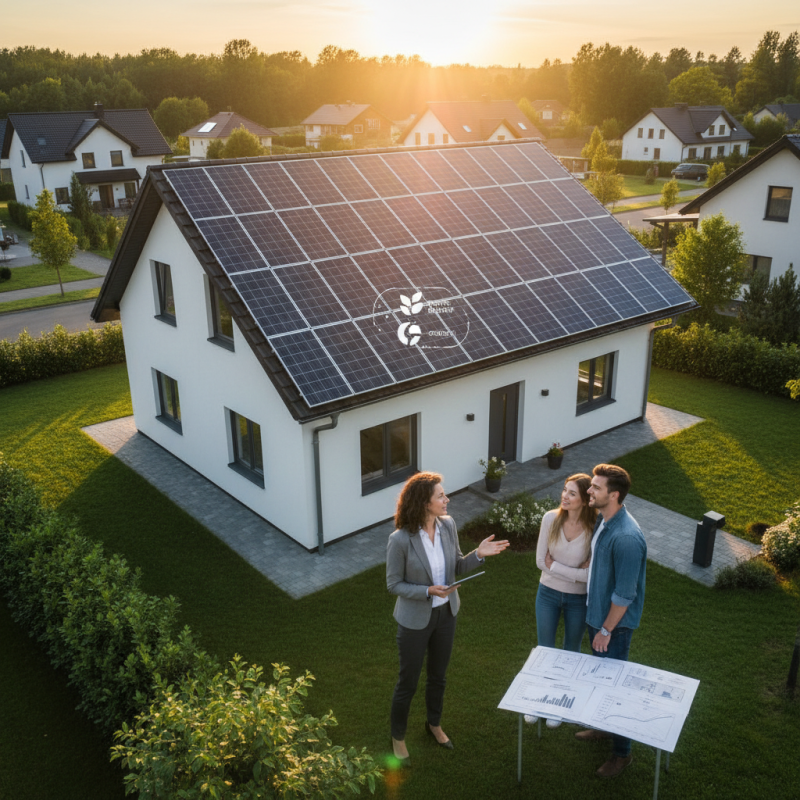
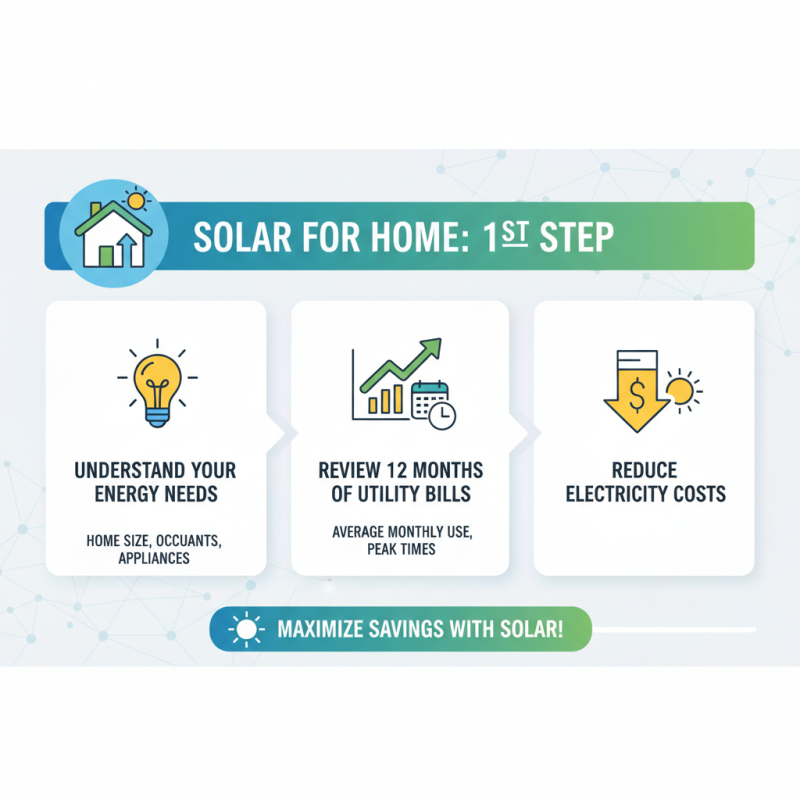
When considering the installation of solar panels for your home, a critical first step is to thoroughly understand your energy needs and consumption patterns. Every household consumes energy differently, influenced by factors such as the size of the home, the number of occupants, and the types of appliances in use. Start by reviewing your utility bills from the past year to assess how much energy you use on average each month. Identifying peak usage times can also provide insights into when solar power could be most beneficial for reducing electricity costs.
Furthermore, examine your daily routines and lifestyle choices that impact energy usage. For example, consider the number of hours appliances like refrigerators, air conditioners, and heaters operate during the day. If you have a significant amount of energy consumed during daylight hours, investing in solar panels may yield substantial savings. Additionally, take note of any seasonal variations in energy consumption, as these can inform your solar panel specifications and help tailor the system to better meet your needs. By having a clear understanding of your energy consumption patterns, you can make an informed decision about the size and capacity of the solar panel system that will work best for your home.

When evaluating different types of solar panels available in the market, it’s essential to understand the various technologies that underpin them. The most common types are monocrystalline, polycrystalline, and thin-film solar panels. Monocrystalline panels are known for their high efficiency and sleek appearance, making them a popular choice for homeowners with limited roof space. They are made from high-purity silicon and typically have a higher power output per square foot compared to other types.
On the other hand, polycrystalline panels, which are made from multiple silicon crystals, are generally more affordable but slightly less efficient. They tend to occupy more space due to their lower energy output, making them suitable for larger rooftops or properties with ample sun exposure. Thin-film solar panels, while less efficient than their crystalline counterparts, offer flexibility in application and are lightweight, making them an excellent option for unconventional surfaces or installations where weight is a concern. Each type has its own advantages and drawbacks, so it's crucial to assess your specific energy needs, roof space, and budget before making a decision.
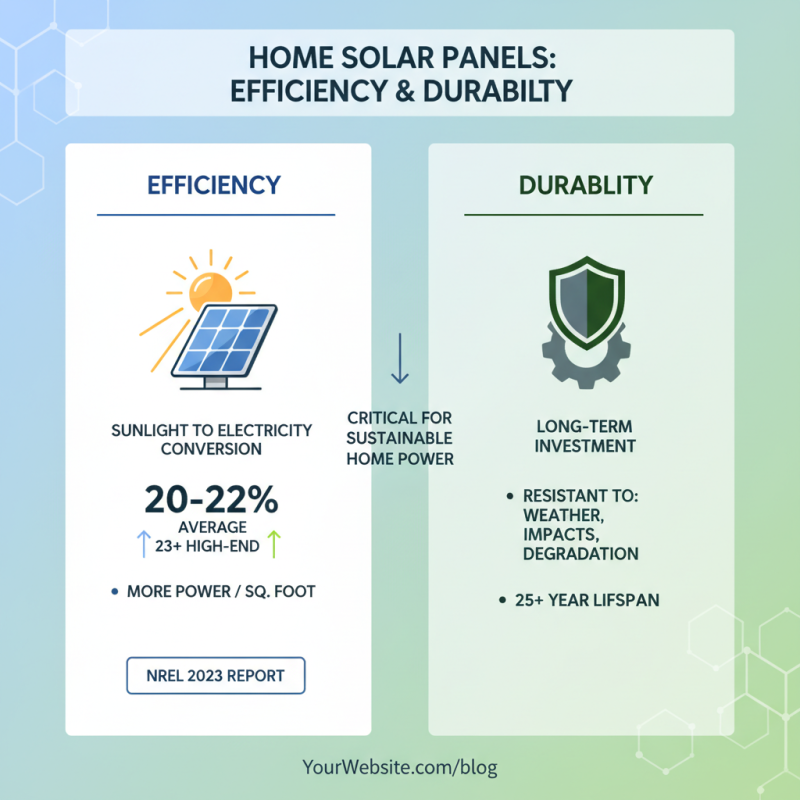
When selecting solar panels for your home, assessing their efficiency and durability is critical for a sustainable investment. Efficiency refers to how well a solar panel converts sunlight into usable electricity, typically measured as a percentage. According to a 2023 report by the National Renewable Energy Laboratory (NREL), the average efficiency of solar panels has steadily increased to around 20-22% for residential models, with some high-end products reaching efficiencies of 23% or more. This increased efficiency means more energy generation per square foot, which is particularly important for homeowners with limited roof space.
Durability is another essential factor to consider, as solar panels are long-term investments subjected to various environmental conditions. Solar panels generally come with warranties ranging from 25 to 30 years, with manufacturers typically testing their products to withstand harsh weather, including high winds, heavy snow, and UV exposure. A study published in the Journal of Energy Storage highlighted that panels built with high-quality materials and rigorous testing procedures tend to maintain at least 80% of their original efficiency even after decades of use. This resilience not only ensures reliable energy production but also contributes to the overall lifetime value of the solar energy system, making it crucial for homeowners to pay attention to these aspects when choosing the right panels.
When choosing solar panels for your home, understanding the financial implications is critical. Start by evaluating the upfront costs associated with purchasing and installing solar panels. While the initial investment can be significant, it's essential to research various financing options available to ease the financial burden. Many homeowners opt for solar loans, which allow them to spread the payments over time while still enjoying the benefits of solar energy immediately. It’s also beneficial to compare different installers’ quotes and financing plans to find the best fit for your budget.
In addition to upfront costs, incentives can substantially reduce the price tag of solar installations. Homeowners should be aware of federal and state tax credits, rebates, and other financial incentives that may be available in their area. These incentives can significantly decrease the overall cost and improve the return on investment for solar energy systems. Furthermore, some states offer performance-based incentives, which provide payments based on the energy your solar system generates, making solar energy not just a sustainable choice but also a financially sound one. Exploring these options thoroughly can help maximize savings and lead to a more informed decision regarding solar panel purchases.
This chart illustrates key financial factors to consider when choosing solar panels for your home, including average cost per watt, federal tax credits, available state incentives, and potential financing options.
When it comes to choosing solar panels for your home, the credibility of manufacturers and installers plays a significant role in ensuring a successful installation and long-term satisfaction. Start by researching manufacturers who have a solid reputation within the industry. Look for companies that have been in the solar business for several years and have a track record of producing high-quality panels. Check for certifications, such as the International Electrotechnical Commission (IEC) standards, which indicate that the products meet rigorous testing and quality benchmarks. Online reviews and testimonials can provide insights into the performance and durability of the panels, so it’s beneficial to gauge customer satisfaction before making a decision.
Equally important is selecting a certified installer who understands the intricacies of your local regulations and the specific requirements of your solar setup. Request quotes and compare the services offered by various installers, but do not focus solely on price; consider their experience and customer feedback. A reputable installer should not only possess the necessary qualifications but also provide a warranty for both the installation and the panels themselves. Engaging with local solar energy groups or forums can also yield recommendations for trustworthy professionals in your area, ensuring that you are making an informed choice that maximizes both efficiency and safety in your solar investment.
| Tip Number | Tip Title | Description | Importance Rating (1-5) |
|---|---|---|---|
| 1 | Evaluate Energy Needs | Assess your household energy consumption to determine the size of the system needed. | 5 |
| 2 | Research Manufacturers | Look for reputable manufacturers with proven track records in solar technology. | 4 |
| 3 | Check Warranties | Review the warranty offered on panels to ensure long-term reliability. | 4 |
| 4 | Consider Installers | Find qualified installers with certifications and positive reviews. | 5 |
| 5 | Understand Costs | Get a detailed estimation of the costs involved, including installation and maintenance. | 5 |
| 6 | Compare Efficiency Ratings | Look at the efficiency ratings of different solar panels to maximize output. | 4 |
| 7 | Check for Local Incentives | Research local and federal incentives that can reduce solar panel costs. | 3 |
| 8 | Analyze System Performance | Look for metrics regarding system performance including degradation rates. | 4 |
| 9 | Seek Customer Feedback | Read customer reviews and testimonials to gauge satisfaction and performance. | 4 |
| 10 | Make an Informed Choice | After thorough research, choose the panel and installer that best fits your needs. | 5 |
As electricity costs continue rising, many small households in Maharashtra seek sustainabl...Read More
Uttar Pradesh is making significant progress in adopting renewable energy, particularly so...Read More
With the Indian government actively promoting renewable energy through subsidies and polic...Read More
Tired of watching your electricity bills climb month after month and strain your pockets? ...Read More
Switching to solar energy in Gujarat has never been more profitable! With plenty of sunlig...Read More
If you live in Madhya Pradesh and want to save money on power while living a greener lifes...Read More
If you’re a resident of Bangalore looking to save on your skyrocketing electricity b...Read More
If you live in Karnataka and have been looking for an environmentally friendly, cost-effec...Read More
Delhi is a city that thrives on its vibrant energy, and what better way to complement that...Read More
As electricity costs continue rising, many small households in Maharashtra seek ...Read More
Uttar Pradesh is making significant progress in adopting renewable energy, parti...Read More
With the Indian government actively promoting renewable energy through subsidies...Read More