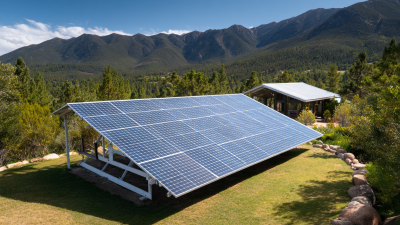
Solar energy begins with sunlight striking a surface, but turning that light into dependable electricity takes several connected steps. In a photovoltaic panel, semiconductor cells absorb photons and release electrons, creating direct-current electricity. An inverter converts that current into alternating current for household circuits. On a clear roof, the process is quiet and mostly invisible; the meter is where its effect becomes easier to see.
The International Renewable Energy Agency’s Renewable Capacity Statistics 2024 reports that global solar capacity grew by 346 gigawatts in 2023. That was the largest addition among renewable technologies. The International Energy Agency also described solar’s growing influence in its World Energy Outlook 2020. IEA Executive Director Fatih Birol said, “Solar is the new king of electricity markets around the world.” The phrase captures momentum, not a guarantee that every home or grid benefits equally.
Clouds reduce output. Panels produce less after sunset, so batteries, grid connections, or other power sources can help balance supply. Roof angle, shading, local weather, and equipment condition also matter. A small tree shadow can affect a panel’s output more than its modest appearance suggests. Solar is not effortless. Its manufacture, installation, and end-of-life handling deserve scrutiny too. Those limits are part of understanding how solar energy works—not reasons to dismiss its substantial potential.
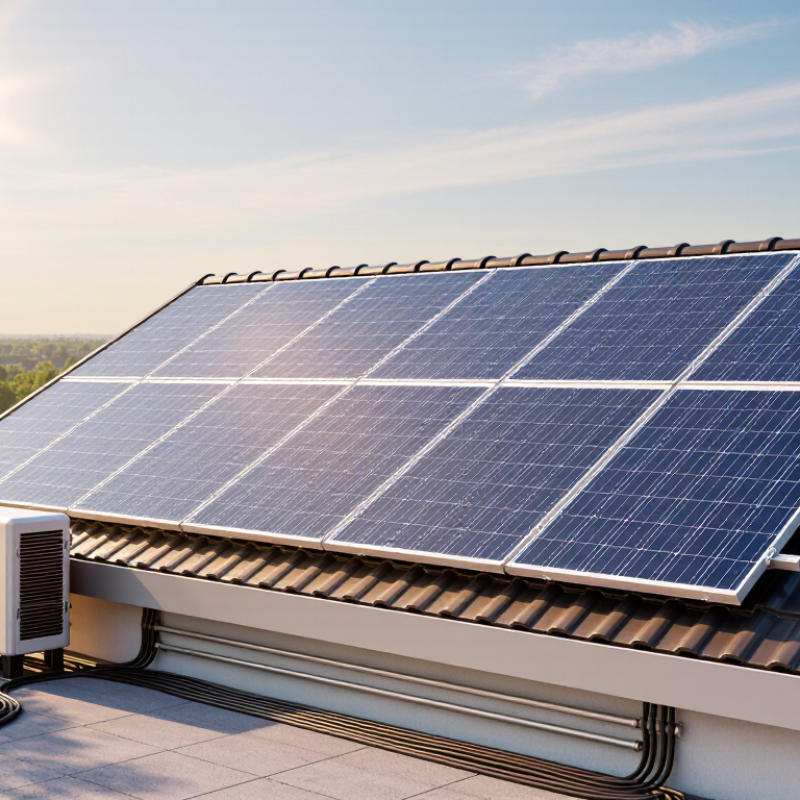
Solar energy begins in the Sun’s core, where nuclear fusion releases enormous amounts of energy. That energy travels through space as electromagnetic radiation, including visible light and infrared. Some reaches Earth after passing through the atmosphere. Clouds, dust, and gases absorb or scatter part of it, so sunlight at the ground is not constant.
The available sunlight varies with location, season, time of day, and weather. A clear midday sky may deliver strong, direct light; a cloudy afternoon often brings softer, diffuse light instead. Both forms can provide usable energy, though their amounts differ. Solar panels convert some incoming light into electricity, while solar thermal systems capture heat. The resource is renewable on human timescales, but it is variable. That matters. We sometimes talk about sunlight as if every place receives it equally, which is misleading. Latitude, shade, and local cloud patterns can change what a site actually receives.
Tips: Notice how sunlight moves across a roof or yard during the day. Check for trees, chimneys, and seasonal shade. A simple observation helps, but measured local sunlight data gives a more reliable picture. Clouds change things. So do seasons.
Sunlight begins with nuclear fusion in the Sun, then travels about 150 million kilometers through space to Earth. The final journey takes roughly 8 minutes and 20 seconds. At the top of Earth’s atmosphere, incoming solar power averages about 1,361 watts per square meter, according to NASA’s Earth Fact Sheet. That figure describes sunlight arriving above the atmosphere, not the energy reaching a rooftop or field.
The atmosphere changes the light along the way. Clouds and tiny airborne particles scatter or reflect some rays; gases and clouds absorb others. NASA’s CERES Earth energy budget estimates that roughly 29% of incoming sunlight is reflected back to space. The rest is absorbed by the atmosphere and surface, warming land and oceans. Sunlight also arrives at different angles: a bright midday beam on a clear beach is more concentrated than the same light spread across a low-angle winter afternoon. These are broad averages, though. Local cloud cover can change conditions within minutes.
What Is Solar Energy and How Does It Work?
How Solar Technologies Capture and Convert Sunlight
Light does the work. In a photovoltaic cell, sunlight reaches a semiconductor, often silicon, and transfers energy to its electrons. The cell’s internal electric field guides those electrons, creating direct current (DC). Metal contacts carry the current through wiring to an inverter, which converts it into alternating current (AC) for household appliances. On a clear day, a rooftop panel may feel warm, but heat is not what powers this process. Shade, dust, and panel angle can still reduce output.
Not every solar system uses photovoltaic cells. Concentrated solar power uses mirrors to focus sunlight onto a receiver, heating a fluid that can produce steam and drive a turbine. Storage can help either system supply energy when sunlight fades, though batteries and thermal storage work differently. The economics depend on location and system design: IRENA’s Renewable Power Generation Costs in 2023 reported a global weighted-average cost of electricity of $0.044 per kilowatt-hour for new utility-scale solar PV. That figure is a benchmark, not a promise for every home or project. Real-world performance deserves a little humility.
Tips: Check a roof’s shade through the day, not just at noon. Ask for estimates based on local weather and expected system losses. A tidy model can miss a stubborn chimney shadow.
Solar panels produce direct current electricity when sunlight reaches their cells. A home usually needs alternating current, so an inverter converts the electricity before it reaches outlets, lights, and appliances. The conversion happens quickly, but the path is worth understanding. Electricity is not simply poured into a house like water through a pipe.
When panels make more power than a home is using, the extra electricity can charge a battery. A battery system manages charging and discharging to protect its cells and provide power later, such as after sunset. Not every home has one. Batteries also have limits: their usable capacity and output determine which appliances they can run, and for how long. A fridge may keep going while an electric oven does not. Small details matter.
Without a battery, surplus power may flow to the utility grid, depending on the system and local arrangements. When solar production falls, the home can draw electricity from the grid. A grid-connected system may shut down during an outage unless it has equipment designed to safely provide backup power. That safeguard protects utility workers. It is easy to think a sunny roof means lights will stay on, but the wiring and controls decide what happens. Storage is useful, though it is not a perfect substitute for careful energy planning.
Solar energy is used on homes, offices, farms, and remote sites. Rooftop panels turn sunlight into electricity for lights, appliances, and electric vehicle charging. A small system can also power a cabin or a water pump far from power lines. Solar thermal systems use sunlight directly to heat water, which can reduce the energy needed for showers or washing. In large solar farms, rows of panels feed electricity into the grid. On a bright day, a panel may produce plenty; after sunset, it produces none. Clouds matter.
The main limit is timing. Electricity use often continues after daylight ends, so batteries or other power sources are needed to bridge the gap. That adds cost. Output also changes with season, latitude, roof angle, and shade from trees or nearby buildings. A roof with a chimney shadow may produce less than its size suggests. At grid scale, new lines and storage can be needed to move solar power from sunny regions to users. Large installations also require land, and manufacturing panels uses energy and materials. Solar can cut emissions during operation, but it is not impact-free. I would not assume every roof is suitable; a site assessment and local sunlight data make the estimate more trustworthy.
| Topic | How It Works | Where It Is Used | Main Limitations |
|---|---|---|---|
| Solar energy | Energy from sunlight can be converted into electricity or captured as heat. | Homes, businesses, public facilities, farms, remote sites, and utility-scale power plants. | Available sunlight varies with weather, season, time of day, and location. |
| Photovoltaic (PV) panels | Semiconductor cells absorb light and produce direct-current (DC) electricity. An inverter commonly converts DC electricity into alternating-current (AC) electricity for buildings and the grid. | Rooftops, parking canopies, building façades, ground-mounted arrays, and small off-grid systems. | Output falls in shade and low light; panels need suitable space, orientation, and installation conditions. |
| Solar water heating | Solar collectors absorb sunlight and transfer heat to water or another fluid, which can be stored for later use. | Domestic hot-water systems, swimming pools, and some commercial or institutional buildings. | Performance depends on sunlight and demand; a conventional or other backup heater may be needed during periods of insufficient solar heat. |
| Concentrating solar power (CSP) | Mirrors concentrate sunlight to produce high-temperature heat. The heat can create steam that drives a turbine and generator. | Large power plants in locations with strong, direct sunlight. | Requires suitable land and strong direct sunshine; clouds and diffuse sunlight reduce its effectiveness. |
| Electricity storage and backup | Batteries can store some generated electricity for use later. Grid-connected systems can also draw electricity from the grid when solar output is insufficient. | Homes and facilities seeking to use solar electricity after sunset, manage supply changes, or improve backup capability. | Storage adds equipment and cost, has finite capacity, and does not remove prolonged or seasonal supply gaps by itself. |
| Grid-connected solar | A solar system supplies electricity to a building and may send surplus electricity to the grid, depending on local system rules. | Residential, commercial, institutional, and utility-scale electricity systems. | Grid connection, export arrangements, and permitted system design depend on local infrastructure and regulations. |
| Off-grid solar | Panels supply electricity to local loads, typically alongside batteries and, where needed, a backup generator or other power source. | Remote homes, communications equipment, monitoring stations, and other locations without a reliable grid connection. | System size must account for changing sunlight and energy demand; batteries and backup equipment require planning and maintenance. |
| Practical constraints | System performance depends on sunlight reaching the collector and on equipment converting, delivering, or storing the collected energy. | Every solar application, from a small rooftop system to a large solar plant. | Shading, unsuitable roofs or sites, limited space, upfront costs, permitting, equipment maintenance, and the need to balance supply with demand can restrict adoption. |
As electricity costs continue rising, many small households in Maharashtra seek sustainabl...Read More
Uttar Pradesh is making significant progress in adopting renewable energy, particularly so...Read More
With the Indian government actively promoting renewable energy through subsidies and polic...Read More
Tired of watching your electricity bills climb month after month and strain your pockets? ...Read More
Switching to solar energy in Gujarat has never been more profitable! With plenty of sunlig...Read More
If you live in Madhya Pradesh and want to save money on power while living a greener lifes...Read More
If you’re a resident of Bangalore looking to save on your skyrocketing electricity b...Read More
If you live in Karnataka and have been looking for an environmentally friendly, cost-effec...Read More
Delhi is a city that thrives on its vibrant energy, and what better way to complement that...Read More
As electricity costs continue rising, many small households in Maharashtra seek ...Read More
Uttar Pradesh is making significant progress in adopting renewable energy, parti...Read More
With the Indian government actively promoting renewable energy through subsidies...Read More