Top 5 Tips for Choosing a Solar Energy System

Choosing the right solar energy system can be challenging. With so many options available, making an informed decision is vital. This equipment impacts both your home's energy savings and environmental footprint. A solar energy system can lower your electricity bills significantly. However, choosing the wrong one may lead to performance issues or unexpected costs.

Consider your energy needs carefully. Different systems serve different households, depending on size and usage. Researching installation companies is also essential. Their reputation and experience will ensure proper installation and maintenance. Look for trusted reviews and testimonials from past customers.

Remember that not all systems are created equal. Take time to compare components like inverters and panels. Understanding warranties is crucial; they protect your investment. Ultimately, a well-chosen solar energy system can provide long-term benefits, while the wrong choice could lead to regret. So do your homework and explore your options.

Top 5 Tips for Choosing a Solar Energy System

Understanding Solar Energy System Types and Their Efficiency Ratings

When considering a solar energy system, it's essential to understand the types available and their efficiency ratings. Different solar systems include monocrystalline, polycrystalline, and thin-film options. Monocrystalline panels tend to offer the highest efficiency. In contrast, polycrystalline may be more cost-effective. Each type has its benefits.

Evaluate the efficiency ratings carefully. Higher ratings mean more energy production. It’s important to assess how much sunlight your location receives. This will directly influence the output of your solar system. Many homeowners overlook this detail, thinking all panels work equally well. They don’t.

Tip one: Analyze your energy needs before picking a system. Calculate your current energy usage and peak demand. This helps you choose the right size.

Tip two: Look for government incentives. Some areas offer rebates. This can reduce your initial investment significantly.

Always gather reliable data before making decisions. Different environments can lead to varying performance. Regularly check your system’s performance to make necessary adjustments.
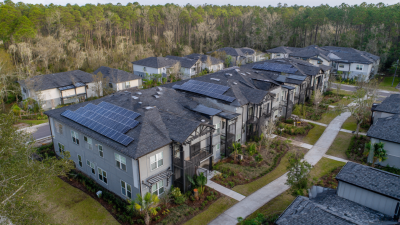
Evaluating Your Energy Needs: Calculating Consumption and Solar Potential

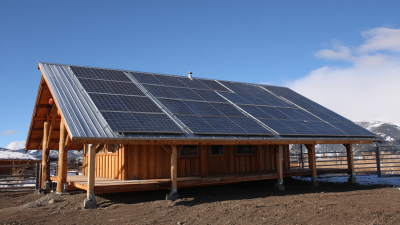
When evaluating your energy needs, start by calculating your overall consumption. The U.S. Energy Information Administration reports that the average American household uses about 877 kWh per month. This translates to roughly 29 kWh daily. Knowing your typical usage will help determine the size of the solar energy system you require.

Next, assess your solar potential. Roof orientation, shade from trees, and local climate play crucial roles. According to the National Renewable Energy Laboratory, areas with high solar insolation can produce more energy over time. For instance, regions that receive more than 5.5 kWh/m² per day can yield significantly higher outputs than those with lower averages.

Use tools like solar calculators to estimate production. However, remember that these tools can sometimes oversimplify the complexities involved. For example, they might not consider changes in energy consumption or periodic weather patterns. It’s essential to stay flexible with your calculations and regularly update them. This approach can help in making informed decisions about your solar investment, ultimately leading to more efficient energy use.

Energy Consumption vs. Solar Potential in Different Households

Comparing Solar Panel Technologies: Monocrystalline, Polycrystalline, and Thin-Film

When selecting a solar energy system, understanding the different solar panel technologies is crucial. Among the popular types, monocrystalline, polycrystalline, and thin-film panels stand out. Monocrystalline panels are known for their high efficiency rates, typically around 15-22%. This makes them ideal for limited space environments, as they generate more power per square foot.

Polycrystalline panels tend to be more affordable but are slightly less efficient, usually ranging from 13-16%. They require more space, which might be a drawback for some homeowners. However, their lower cost makes them a practical choice for budget-conscious buyers. Thin-film panels, while offering lower efficiency rates of 10-12%, are lightweight and flexible, making them suitable for unique installations.

Tip: Assess your energy needs before choosing a panel type. Determining your household’s energy consumption will guide you in selecting the right system.

While these technologies have their merits, it’s also essential to consider environmental factors. For instance, performance can decrease in high temperatures, especially for certain polycrystalline panels. Understand that each type has its trade-offs.

Tip: Evaluate your roof space and sunlight exposure. This can directly influence the efficiency of your chosen solar panels. Factors like shading from trees or buildings can significantly impact energy generation.

Assessing Installation Costs: Upfront Expenses vs. Long-Term Savings

When assessing solar energy systems, installation costs are a pivotal factor. Upfront expenses can be daunting. According to the Solar Energy Industries Association, the average cost of installing a solar panel system was around $3.00 to $4.00 per watt in 2022. This translates to approximately $15,000 to $25,000 for a typical residential system. Factors like system size, location, and financing options influence these costs significantly.

However, long-term savings can outweigh these initial investments. Research indicates that homeowners can save between $10,000 and $30,000 over the lifespan of their solar systems. It’s essential to consider local utility rates and potential tax incentives. For instance, the Federal Investment Tax Credit allows homeowners to deduct 26% of their installation costs from their federal taxes. This can make solar more accessible.

Many homeowners often overlook maintenance costs as well. Regular inspections and occasional repairs contribute to overall expenses. The reality is that while solar energy has many benefits, its savings can be elusive without careful planning. Evaluating both the upfront costs and long-term savings is crucial for making informed decisions. A thorough assessment can reveal a clearer financial picture, shedding light on whether solar energy fits your budget and energy needs.

Researching Incentives and Financing Options for Solar Energy Systems

When considering a solar energy system, understanding incentives and financing options is crucial. Many regions offer tax credits, grants, or rebates. These can significantly reduce initial costs. Researching local incentives is essential. You might find surprising savings.

Financing options also vary widely. Some homeowners choose loans or leases. Others may prefer power purchase agreements. Each option has pros and cons. Analyzing your budget and energy needs will help narrow down your choices.

It’s important to consult with energy experts. They can provide insights into the best financial pathways. However, not every expert has the same level of knowledge. Look for credible sources and reviews to ensure you’re getting reliable information. Factors like your credit score can influence financing approval. Consider seeking multiple quotes. This way, you can compare options and find the best fit.