Choosing the right Shrink Film Wrapping Machine is rarely a simple matter of comparing speed or price. Global buyers face different products, films, voltages, labor conditions, and service networks. A machine that performs well in a European plant may struggle in a humid warehouse or a facility with limited technical support.
Packaging equipment consultant Mike Tobin observes, “The best wrapper is not the fastest machine; it is the one that runs predictably every shift.” That practical view shapes this guide. Each machine is considered through real operating details, including sealing consistency, tunnel temperature control, film compatibility, changeover time, guarding, energy use, and maintenance access. Small details matter. A poorly placed sensor can slow production. An awkward film path can waste material.
The following list highlights ten machines for different production environments, from compact semi-automatic systems to high-output industrial lines. It also considers total ownership cost, not only the purchase price. Spare-parts availability and local service may decide the final choice. So can operator training.
No machine is perfect. Some models offer impressive speed but require skilled adjustment. Others are easier to operate but occupy more floor space. That trade-off deserves honest attention. Buyers should test their own products, film types, and pack dimensions before signing an order. A showroom demonstration can look excellent. Factory reality is less forgiving.
This comparison aims to provide reliable guidance, while recognizing that the “best” Shrink Film Wrapping Machine depends on measurable needs, not marketing language.
How Shrink Film Wrapping Machines Work
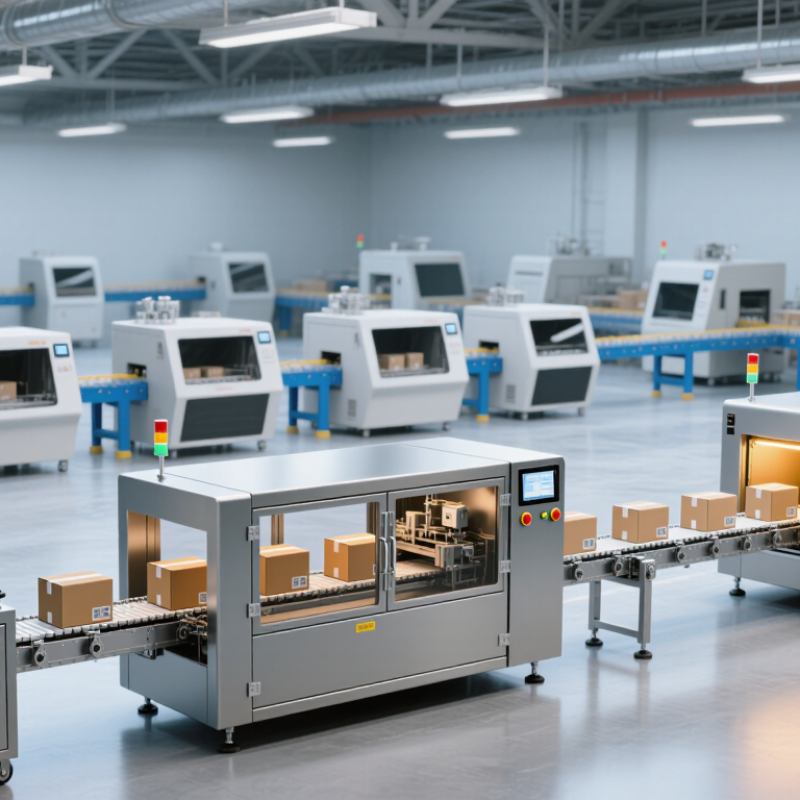
A shrink film wrapping machine creates a tight package through film tension, sealing, and controlled heat. Operators place products on a conveyor or loading table. The machine measures product spacing and feeds a suitable film length. A forming unit folds the film around the item. Heated sealing bars then close the film edge. Some systems use continuous sealing jaws for faster production. The wrapped package enters a heat tunnel, where warm air contracts the film evenly. As the film shrinks, it follows the product’s shape and improves load stability.
The process depends on accurate temperature, conveyor speed, and airflow. Excessive heat can create holes, wrinkles, or weak seals. Insufficient heat leaves loose film around corners. In practical operation, film thickness and product shape also matter. Heavy cartons may need stronger film and slower tunnel movement. Irregular products can require manual alignment before sealing. A perfect-looking wrap is not always a strong wrap. Operators should test seal strength, corner coverage, and package movement.
Tips: Begin with small trial runs. Adjust one setting at a time. Check film rolls for dust, damage, and uneven winding. Clean sealing surfaces regularly, because residue can weaken seals. Keep a simple record of temperature, speed, and film type. It helps identify problems, although real production conditions may still require further adjustment.
Shrink film wrapping machines differ by sealing method, product shape, and required output. L-bar sealers suit cartons, books, trays, and small retail packs. They use one sealing frame, then send products through a heated tunnel. Side-seal machines create continuous film seams around irregular products. They are useful for long items, bundled goods, and mixed dimensions. The choice becomes practical at the conveyor, not in a showroom.
Automatic flow-wrapper systems offer steady feeding and high throughput. Semi-automatic models require an operator to position products, but they reduce investment risk for smaller factories. Chamber machines enclose each load before heat is applied. They provide strong control for delicate or low-volume packaging. Sleeve wrappers place film around grouped products, such as bottles or multipacks. They often need accurate film tension and product spacing.
Grand View Research estimated the global shrink film market at about USD 7.1 billion in 2023, with projected growth near 6.5% annually through 2030. That growth does not make every machine suitable. PMMI industry reports repeatedly connect automation value with labor availability, changeover time, and line integration. These factors matter more than headline speed. A machine rated at 30 packs per minute may slow sharply with dusty film or uneven cartons. I would test real products before buying. A clean factory sample can mislead. Film thickness, tunnel temperature, sealing width, and maintenance access should be recorded during trials.
Comparing the top 10 shrink film wrapping machines requires more than reading speed claims. I examine actual packs, film types, and production targets. A machine rated at 30 packs per minute may slow down with irregular cartons. Measure stable output during a full shift, not during a short demonstration.
Film compatibility is a practical test. Check whether the machine handles polyolefin, polyethylene, or recyclable film without weak seals. Inspect seal strength, tunnel temperature, and film waste around each pack. A clear control panel helps operators adjust heat and conveyor speed quickly. Changeover time also matters. Ten minutes saved between product sizes can improve daily capacity.
Energy use, footprint, and maintenance deserve equal attention. Record tunnel power consumption and check whether heat escapes around the chamber. Look for accessible heaters, simple belt replacement, and clear fault messages. Safety guarding should protect operators without making routine cleaning difficult. Remote support sounds useful, but local technicians and spare-part availability are more reliable. I would request references from facilities with similar carton sizes and shift patterns. A polished test can mislead. One overlooked issue is noise, especially near packing stations. Measure it on the factory floor, where ventilation, conveyors, and nearby equipment affect the result. Cost should include film waste, training, downtime, and service—not only the purchase price.
Criteria for Comparing the Top 10 Machines
The chart compares representative machine configurations using a practical buyer score from 0 to 100. The score combines typical throughput, packaging flexibility, automation level, sealing consistency, energy efficiency, and suitability for different product sizes. Actual performance varies with product dimensions, film type, pack spacing, and line configuration.
Top 10 Shrink Film Wrapping Machines for Global Buyers
Global buyers need more than a fast sealing cycle. The right machine must match product size, film type, labor conditions, and local safety requirements. In production reviews, the top ten categories include L-bar sealers, side-seal machines, sleeve wrappers, bundling machines, chamber wrappers, automatic conveyor wrappers, semi-automatic wrappers, rotary-arm systems, high-speed flow wrappers, and integrated shrink tunnels. Each category solves a different packaging problem.
L-bar sealers suit mixed cartons and shorter production runs. Side-seal machines handle continuous wrapping with fewer manual adjustments. Sleeve wrappers work well for grouped bottles, boxes, and promotional packs. Chamber models conserve floor space, while automatic conveyor systems support stable output. Rotary-arm machines reduce product movement and may protect delicate loads. Flow wrappers offer clean presentation for long products. Integrated shrink tunnels improve consistency when temperature and belt speed are synchronized.
I recommend testing the actual product before purchasing. A small carton may seal neatly, but a tall package can wrinkle at the corners. Film thickness, sealing wire quality, and tunnel airflow matter greatly. Ask suppliers for sample trials, electrical compatibility, spare-parts plans, and operator training. Verify compliance with applicable machine-safety rules in the destination market. The cheapest option can become expensive through film waste and downtime. No ranking fits every factory. That remains easy to forget.
Top 10 Shrink Film Wrapping Machines for Global Buyers
Global Purchasing, Installation, and Maintenance Factors
For global buyers comparing the top ten shrink film wrapping machines, purchasing price is only one variable. PMMI reported that U.S. packaging machinery shipments reached approximately $10.2 billion in 2022, showing strong investment in automated packaging. However, a machine designed for one market may perform poorly elsewhere. Check voltage, frequency, sealing-bar dimensions, film thickness, and local service availability before ordering. Request factory acceptance testing with your actual product and film. Small test details matter.
Installation needs practical planning. Leave access space around the sealing chamber, conveyor, and control cabinet. Confirm floor strength, ventilation, compressed-air quality, and ambient temperature. A machine may require simple electrical changes, but local compliance checks can still delay commissioning. Remote installation support is useful, although it cannot replace a trained technician on difficult production lines.
Maintenance should be measured by operating conditions, not calendar dates alone. Inspect sealing wires, Teflon covers, rollers, sensors, and temperature controllers regularly. The U.S. Department of Energy notes that compressed-air systems can lose 20–30% of output through leaks, so air-line inspections deserve attention. Keep critical spare parts near the machine. This reduces downtime across borders. Energy use also deserves review; tunnel insulation, conveyor speed, and standby settings affect operating cost. I would not trust a supplier’s estimated payback without production data, film consumption records, and verified service rates.
A practical comparison of common shrink-wrapping configurations for international purchasing and factory planning.
| Rank & Machine Configuration | Typical Film | Suitable Product / Load | Typical Throughput | Typical Installed Power | Installation Requirements | Routine Maintenance | Global Purchasing Factors |
|---|---|---|---|---|---|---|---|
| 1. Automatic Side-Seal Shrink Wrapper High-volume continuous operation | Polyolefin (POF) or polyethylene (PE), typically 9–25 microns | Cartons, books, flat packs, and irregular products | Up to approximately 30–60 packs/minute | 10–25 kW, depending on tunnel size and speed | Level floor, product infeed conveyor, compressed air if pneumatic devices are fitted, and adequate heat ventilation | Seal-wire or blade inspection, belt cleaning, temperature-sensor checks, conveyor lubrication, and filter cleaning | Confirm film width range, conveyor direction, voltage, spare sealing parts, and remote troubleshooting support |
| 2. Automatic L-Bar Sealer with Shrink Tunnel Flexible automatic bagging line | POF, PVC, or PE center-fold film, approximately 12–80 microns | Retail cartons, stationery, household products, and boxed goods | Approximately 15–35 packs/minute | 8–20 kW | Stable three-phase supply is commonly required; allow clearance for film loading and tunnel access | Replace sealing wire or knife when worn, clean film residue, inspect thermocouples, and check conveyor alignment | Verify maximum product dimensions, film-fold compatibility, guarding standards, and operator-training materials |
| 3. Semi-Automatic L-Bar Sealer with Tunnel Versatile medium-volume solution | POF or PVC, commonly 12–30 microns | Small and medium cartons, promotional packs, and general merchandise | Approximately 8–20 packs/minute | 5–12 kW | Single- or three-phase power depending on model; operator access and heat-resistant work area are necessary | Daily cleaning of sealing surfaces, periodic belt inspection, heater checks, and lubrication of moving joints | A good choice where labor is available; request local-language controls, spare-parts kits, and clear electrical documentation |
| 4. Continuous Side-Seal Wrapper Long-product and mixed-size packaging | POF, PE, or cross-linked polyethylene film | Long cartons, posters, textiles, doors, profiles, and variable-length products | Approximately 20–60 packs/minute | 12–30 kW | Long, straight conveyor layout; stable product spacing; heat extraction around the tunnel | Side-seal wheel or blade checks, film-tracking adjustment, conveyor cleaning, and tunnel fan inspection | Check maximum product length and height, film waste rate, spare sealing assemblies, and shipping-crate dimensions |
| 5. PE Shrink Bundling Machine Heavy-duty multipack packaging | Low-density or linear low-density PE, commonly 40–100 microns | Bottles, cans, cartons, tiles, construction materials, and industrial multipacks | Approximately 6–25 bundles/minute | 15–45 kW, depending on tunnel capacity | Robust floor, strong conveyor support, three-phase power, and cooling space for a large hot-air tunnel | Inspect tunnel rollers, chain or mesh conveyor, heating elements, fans, and film-centering components | Evaluate film thickness availability in the destination market, load stability, energy consumption, and palletizing integration |
| 6. Semi-Automatic Chamber Shrink Wrapper Compact batch packaging | POF or PVC center-fold film, generally 12–30 microns | Small retail items, food-compatible secondary packaging, documents, and promotional products | Approximately 5–15 packs/minute | 3–8 kW | Standard industrial outlet or dedicated circuit; clean bench area and ventilation around the chamber | Clean sealing bar and chamber, inspect silicone seal, check temperature controller, and remove film scraps | Useful for smaller facilities; confirm chamber dimensions, cycle time, voltage frequency, and availability of heating parts |
| 7. Manual L-Bar Sealer with Separate Tunnel Entry-level and flexible production | POF or PVC, commonly 12–30 microns | Low-volume retail products, spare parts, samples, and seasonal packaging | Approximately 3–10 packs/minute | 2–7 kW | Basic electrical connection, stable worktable, and safe clearance around the hot sealing area | Frequent cleaning, sealing-wire replacement, hinge lubrication, and inspection of electrical insulation | Lowest entry cost but higher labor dependence; prioritize safety guards, clear manuals, and easy-to-source consumables |
| 8. Automatic Shrink Hood Wrapper Pallet and large-load protection | PE shrink hood film, often 50–150 microns | Palletized cartons, building products, appliances, furniture, and large industrial loads | Approximately 20–80 pallets/hour | 20–60 kW, depending on pallet size and heating method | Large clear floor area, forklift or pallet conveyor access, strong ventilation, and suitable fire-safety controls | Inspect hood-cutting system, gas or electric heating components, conveyor chains, sensors, and safety interlocks | Confirm pallet dimensions, film roll core and width, fuel or electrical regulations, installation lifting needs, and after-sales service |
| 9. Fully Automatic Bundling Line with Shrink Tunnel Integrated production-line packaging | PE or POF, selected according to load strength and appearance requirements | Beverage multipacks, food cartons, tissue products, chemical containers, and consumer goods | Approximately 10–40 bundles/minute | 20–70 kW, including conveyors and tunnel | Upstream and downstream conveyor synchronization, three-phase power, compressed air in many configurations, and line guarding | Scheduled inspection of sensors, pneumatic components, chains, heaters, film tracking, and programmable controls | Request a complete layout, cycle-time validation, interface standards, factory acceptance testing, and installation supervision |
| 10. Rotary or High-Speed Film Overwrapping Machine Premium presentation packaging | Cellophane, polypropylene, or specialized overwrapping film | Cigarette-style cartons, cosmetics, confectionery, stationery, and premium boxed products | Approximately 30–100 packs/minute, depending on product and fold pattern | 5–20 kW | Precise product feeding, clean operating area, stable power, and skilled commissioning personnel | Frequent cleaning of folding tools, adjustment of film tension, lubrication of cam systems, and inspection of cutting blades | Confirm film material availability, fold and tear-strip specifications, tooling lead time, operator skill requirements, and spare-part stock |
| Buyer note: Throughput and power figures are typical planning ranges rather than guaranteed specifications. Actual performance depends on product dimensions, film thickness, pack spacing, tunnel temperature, local electrical standards, and operator skill. Before ordering, request a sample test, equipment layout, utility list, safety documentation, spare-parts list, and installation plan. | |||||||
As electricity costs continue rising, many small households in Maharashtra seek sustainabl...Read More
Uttar Pradesh is making significant progress in adopting renewable energy, particularly so...Read More
With the Indian government actively promoting renewable energy through subsidies and polic...Read More
Tired of watching your electricity bills climb month after month and strain your pockets? ...Read More
Switching to solar energy in Gujarat has never been more profitable! With plenty of sunlig...Read More
If you live in Madhya Pradesh and want to save money on power while living a greener lifes...Read More
If you’re a resident of Bangalore looking to save on your skyrocketing electricity b...Read More
If you live in Karnataka and have been looking for an environmentally friendly, cost-effec...Read More
Delhi is a city that thrives on its vibrant energy, and what better way to complement that...Read More
As electricity costs continue rising, many small households in Maharashtra seek ...Read More
Uttar Pradesh is making significant progress in adopting renewable energy, parti...Read More
With the Indian government actively promoting renewable energy through subsidies...Read More