Top 10 Benefits of Rooftop Solar for Global Buyers?

Rooftop solar energy systems are gaining significant traction among global buyers. As the world shifts towards sustainable energy, rooftop solar offers unique advantages. This option allows homeowners and businesses to harness sunlight efficiently and reduce electricity bills.

People investing in rooftop solar can experience durable benefits. These systems can lower carbon footprints and promote energy independence. However, potential buyers must consider installation costs and local regulations. Understanding these factors ensures informed decisions.

Moreover, rooftop solar can enhance property values. Many buyers see it as an asset rather than just an expense. It’s crucial to weigh all pros and cons before making a commitment. Ultimately, the journey toward solar energy can be rewarding, yet it demands careful thought.
Top 10 Benefits of Rooftop Solar for Global Buyers?

Benefits of Rooftop Solar: An Overview of Economic Savings

Rooftop solar energy offers significant economic savings for homeowners and businesses alike. One primary advantage is the reduction in electricity bills. By harnessing sunlight, property owners can generate their own electricity. This leads to lower utility costs over time. In some cases, savings can amount to thousands of dollars annually.

Moreover, the initial investment in solar equipment can yield a high return. Governments and local authorities often provide tax incentives and rebates. These financial benefits make solar systems more accessible. However, the installation and maintenance costs should be considered. Not every rooftop is suitable for solar panels. Factors like roof angle and shading can affect efficiency.

The potential for energy independence is another crucial benefit. Owning a solar system means relying less on fossil fuels. This shift not only conserves resources but also stabilizes energy costs in the long term. Additionally, with the rise of battery storage technology, homeowners can save surplus energy. But it's essential to assess system capabilities and storage needs. Understanding these nuances can lead to informed decisions on energy solutions.

Environmental Impact: How Rooftop Solar Reduces Carbon Footprint

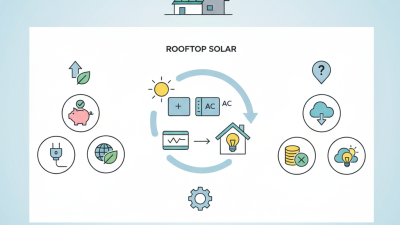
Rooftop solar panels are gaining traction as an effective method to combat climate change. By harnessing sunlight, these systems reduce reliance on fossil fuels. This transition dramatically lowers greenhouse gas emissions, which contribute to global warming. A typical solar installation can significantly shrink a household's carbon footprint, making a tangible difference.

The utilization of solar energy leads to cleaner air as it lessens pollutants released by conventional energy sources. For urban areas heavily impacted by smog, this is particularly beneficial. However, the manufacturing and disposal of solar panels can pose environmental challenges. It’s crucial to address these issues through innovative recycling methods and sustainable practices.

Investing in rooftop solar can empower individuals and communities. Many homeowners report a sense of fulfillment from reducing their environmental impact. While the initial investment can be daunting, the long-term benefits often outweigh the costs. This technology symbolizes a proactive approach to energy consumption—one that fosters a sustainable future.

Energy Independence: The Role of Rooftop Solar in Energy Security

Energy independence is becoming increasingly important in today's global landscape. Rooftop solar systems offer a pathway toward achieving this goal. According to the International Energy Agency, countries with robust rooftop solar installations can reduce reliance on imported fossil fuels. This not only strengthens their energy security but also shields economies from price volatility.

In 2022, global rooftop solar capacity reached 1,000 gigawatts, providing approximately 3% of the world's electricity. As more households adopt this technology, they contribute to local energy resilience. For instance, communities with widespread solar adoption have experienced fewer power outages and greater grid stability. Energy independence can be transformative, allowing regions to generate clean energy from abundant sunlight.

However, challenges remain. Initial installation costs can be high, although many governments offer incentives. Furthermore, not all roofs are suitable for solar panels. Homeowners must assess the angle, shading, and structural integrity before installation. Despite these obstacles, the long-term benefits of rooftop solar, including sustainability and reliability, continue to drive interest worldwide.

Top 10 Benefits of Rooftop Solar for Global Buyers

Benefit Description Potential Savings (Annual)
Energy Independence Reduces reliance on fossil fuels and imported energy. $1,000 - $2,500
Reduced Electricity Bills Generates your own electricity, lowering monthly bills. $800 - $1,800
Low Maintenance Costs Minimal upkeep required once installed. $100 - $300
Increased Property Value Can enhance the resale value of your home. $10,000 - $15,000
Job Creation Supports local jobs in installation and maintenance. N/A
Tax Incentives Government rebates and credits can lower installation cost. Up to $5,000
Environmentally Friendly Reduces carbon footprint and greenhouse gas emissions. N/A
Energy Storage Options Ability to integrate with battery storage for backup power. $200 - $500
Grid Resilience Helps reduce strain on utility grids, especially during peak times. N/A
Energy Diversification Increases energy sources and reduces risk of supply disruptions. N/A

Increasing Property Value: Market Trends in Rooftop Solar Installations

Rooftop solar installations are becoming increasingly popular among homeowners. One of the key trends is the significant impact on property value. Homes equipped with solar panels often see a rise in market appeal. Buyers recognize the benefits of reduced energy bills and long-term savings. In many cases, these properties sell faster than those without solar systems.

Current research indicates that homes with solar panels can sell for a premium, sometimes up to 4% more. This added value is attractive to prospective buyers. It reflects a growing awareness of renewable energy’s advantages. Many homebuyers prioritize sustainability in their purchasing decisions.

However, it’s essential to consider some factors when investing in rooftop solar. Initial installation costs can be high. Not every property suits solar panel installation. Roof condition and orientation play vital roles in effectiveness. Homeowners should assess these factors carefully. Doing thorough research can help in making an informed choice.

Government Incentives: Financial Benefits for Rooftop Solar Adoption

Government incentives for rooftop solar adoption have become increasingly significant. Many countries offer tax credits, rebates, and grants to encourage solar panel installation. In the United States, for instance, the federal solar investment tax credit (ITC) allows homeowners to deduct 26% of the cost of their solar system from federal taxes. This credit is set to decrease in the coming years, prompting many buyers to act quickly.

In addition, several states provide additional benefits. Some states have net metering policies, allowing homeowners to sell excess electricity back to the grid. This can significantly reduce electricity costs. According to the Solar Energy Industries Association, residential solar installations grew by 20% in 2021, largely driven by these incentives.

It’s important to note that while these financial benefits exist, the initial investment for rooftop solar can still be daunting. Installation costs can range from $15,000 to $25,000, depending on system size and location. Buyers should conduct careful research to ensure the long-term savings align with their financial situation. With fluctuating energy prices, the decision remains complex. Weighing the incentives against personal circumstances is crucial for making an informed choice.