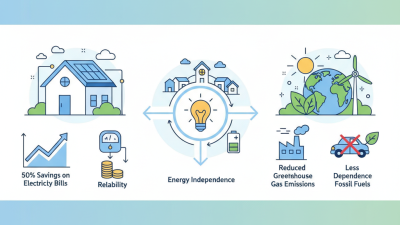
Solar panels for business have become essential for many entrepreneurs. The shift towards renewable energy offers not just environmental benefits, but significant financial advantages as well. In today’s economy, business owners are increasingly seeking ways to cut costs and boost their bottom line. Solar energy represents a viable solution to achieve this.
Investing in solar panels can lead to substantial savings on energy bills. Businesses can generate their own power, reducing dependence on traditional energy sources. Incorporating solar panels into your business model can also enhance your brand’s reputation. Consumers appreciate companies committed to sustainability. This can lead to increased customer loyalty.
However, the transition to solar is not without challenges. Initial installation costs can seem daunting. Some businesses may find it hard to navigate the available incentives. The effectiveness of solar panels also heavily relies on geographic location and local policies. Yet, with careful planning and research, the rewards can outweigh these obstacles. Solar panels for business offer an opportunity to innovate and lead in a competitive market.

Solar energy is becoming a cornerstone for businesses. Many are realizing its importance in reducing operational costs. According to the National Renewable Energy Laboratory, commercial solar installations can provide a levelized cost of electricity that is competitive with traditional energy sources.
Businesses can significantly reduce their electricity bills with solar panels. A report from the Solar Energy Industries Association shows that companies can save up to 75% on their energy costs. This reduction improves profit margins and allows for reallocation of funds to other critical areas. Investing in solar energy also mitigates the impact of fluctuating energy prices.
Moreover, adopting solar technology enhances a company’s reputation. As per a study by Deloitte, 80% of consumers prefer brands that demonstrate sustainability. This trend not only attracts environmentally-conscious customers but can also foster staff retention. Employees appreciate working for eco-friendly companies. However, challenges exist. Initial costs and installation complexity can deter some businesses. Investing time in research and planning can help overcome these hurdles.
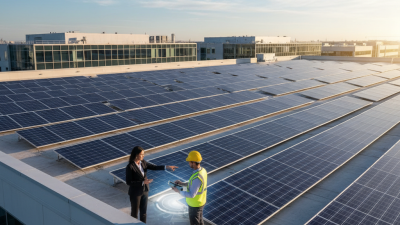
The integration of solar panels in business practices offers significant cost savings. Research indicates that companies can reduce their energy expenses by up to 75% through solar energy adoption. The average commercial installation can yield savings ranging from $20,000 to $35,000 annually, depending on the size and energy needs. This transformation not only enhances profitability but also stabilizes future energy costs amidst rising electricity prices.
Moreover, many states provide tax incentives and rebates for solar installations. The Database of State Incentives for Renewables & Efficiency (DSIRE) notes that these incentives can cover approximately 30% of installation costs. This means the initial outlay becomes more manageable for businesses, making solar energy a financially attractive option. While the upfront investment may seem daunting, the long-term benefits outweigh potential risks and uncertainties.
A challenge to consider is the variability of solar energy production due to weather conditions. Businesses in regions with limited sunlight may face lower efficiency. However, advancements in solar technology offer solutions like energy storage systems. These systems help mitigate energy supply issues, ensuring businesses can optimize their savings, even on cloudy days. Investing in solar energy isn't just about today; it's about future-proofing against energy cost volatility and contributing to a sustainable environment.
In today's business world, environmental sustainability is more important than ever. Solar power offers a pathway for companies to reduce their carbon footprint. By harnessing the sun’s energy, businesses can significantly lower their greenhouse gas emissions. This shift not only helps the planet but also enhances a company's image among socially-conscious consumers.
Installing solar panels can lead to notable energy savings. For many, this means lower operational costs. However, some business owners hesitate due to upfront costs. It requires careful budgeting and planning. Proper research can reveal local incentives that ease financial burdens. Many companies also find long-term benefits outweigh initial expenses, creating a more sustainable future.
Transitioning to solar energy can foster innovation. Teams may engage in sustainability initiatives, improving corporate culture. Yet, some employees might resist change. It is essential to communicate the benefits clearly. Regular discussions can build support for green initiatives. Embracing solar power enables businesses to lead by example, enhancing their role as stewards of the environment.
Tax incentives and financial assistance play a crucial role for business owners considering solar panel installation. The federal government offers various tax credits that can significantly reduce installation costs. For instance, the Investment Tax Credit (ITC) allows businesses to deduct a percentage of solar system costs from their federal taxes. This could lead to substantial savings, enabling companies to invest more in their operations.
In addition to federal incentives, many states provide their own financial assistance. Programs may include grants, rebates, or low-interest loans specifically tailored for renewable energy projects. Local utilities may also offer incentives. However, navigating these programs can be complex. Not every business qualifies for every incentive, and the application processes can be tedious. It’s vital for business owners to research thoroughly and consult with experts to determine the best options for their specific situations.
Moreover, the potential return on investment may not be immediate. While many may expect instant savings, the payback period can vary greatly. Businesses need to weigh the upfront costs against long-term benefits. Analyzing energy usage and savings thoroughly can inform better decisions. Engaging with a knowledgeable consultant can mitigate uncertainties. Overall, with the right strategy, solar panels can transform energy expenses into a profitable endeavor.
Investing in solar panels not only reduces energy costs, but it also significantly boosts property value. A study by the U.S. Department of Energy shows that solar installations can increase a property's value by an average of 4%. This increase can be particularly advantageous for commercial properties. Real estate appraisers recognize solar systems as key assets, enhancing marketability and long-term financial returns.
Businesses considering solar energy should calculate the potential ROI carefully. Beyond immediate savings, consider the future resale value of your property. A National Renewable Energy Laboratory report highlights that properties with solar installations tend to sell faster and at higher prices compared to those without. The long-term advantages of solar investments cannot be dismissed, especially as more buyers look for energy-efficient features.
When going solar, it's essential to understand local incentives and financing options. Many states offer tax breaks, grants, and rebates to offset initial costs. Researching these opportunities is crucial for maximizing the return on your investment. Additionally, engage with a professional appraiser familiar with solar technology to ensure you capture the true value added by your solar panels.
| Benefit | Description | Long-term Advantage | Estimated ROI (%) |
|---|---|---|---|
| Increase Property Value | Solar panels can significantly increase the market value of commercial properties. | Higher resale value and attractiveness to buyers. | 15-25% |
| Lower Energy Bills | Solar energy reduces monthly electricity costs, providing savings over time. | Reduced operational costs, improving profit margins. | 20-50% |
| Tax Benefits | Businesses can take advantage of federal and state tax credits for solar investments. | Lower upfront costs and improved cash flow. | Up to 30% in tax credits. |
| Sustainability Branding | Using solar energy enhances a company’s green credentials and brand image. | Attracts environmentally-conscious consumers and partners. | Indirect but significant. |
| Energy Independence | Solar panels reduce reliance on grid power and volatile energy prices. | Secure and predictable energy costs. | N/A |
| Job Creation | Investing in solar often leads to job creation within the local community. | Sustainable economic growth and stability. | N/A |
| Incentives and Grants | Various government programs may provide financial assistance for solar projects. | Reduced financial burden, improving project feasibility. | Varies. |
| Fixed Energy Costs | Solar installations can stabilize energy costs over the lifespan of the system. | Predictable budgeting and planning. | N/A |
| Long Lifespan of Panels | Most solar panels last 25 years or more, providing long-term benefits. | Value retention and minimized replacement costs. | N/A |
As electricity costs continue rising, many small households in Maharashtra seek sustainabl...Read More
Uttar Pradesh is making significant progress in adopting renewable energy, particularly so...Read More
With the Indian government actively promoting renewable energy through subsidies and polic...Read More
Tired of watching your electricity bills climb month after month and strain your pockets? ...Read More
Switching to solar energy in Gujarat has never been more profitable! With plenty of sunlig...Read More
If you live in Madhya Pradesh and want to save money on power while living a greener lifes...Read More
If you’re a resident of Bangalore looking to save on your skyrocketing electricity b...Read More
If you live in Karnataka and have been looking for an environmentally friendly, cost-effec...Read More
Delhi is a city that thrives on its vibrant energy, and what better way to complement that...Read More
As electricity costs continue rising, many small households in Maharashtra seek ...Read More
Uttar Pradesh is making significant progress in adopting renewable energy, parti...Read More
With the Indian government actively promoting renewable energy through subsidies...Read More