10 Best Solar Panel Systems for Homes in 2026?
Choosing a solar panel system for house in 2026 means weighing more than panel wattage. Roof direction, shade, local weather, and evening electricity use all affect real-world performance. A glossy efficiency rating cannot tell the whole story. Elon Musk, who helped build SolarCity, has described the sun as “a giant fusion reactor in the sky” and asked, “Why not make use of it?” The idea is simple. The purchase is not.
This guide compares ten home solar systems by panel performance, inverter design, battery options, warranty coverage, and practical fit. Some homes need compact panels for a small roof. Others benefit more from storage that can power lights and appliances after sunset. A system’s value also depends on installation quality and local utility rules, so advertised savings are not guarantees. Details matter.
There is no universal winner. A high-output system may cost more, while a lower-priced package could suit a household with modest daytime use. Product availability and specifications can change, too. The rankings offer a starting point, not a substitute for a site-specific assessment. That distinction is easy to overlook. We’ll highlight trade-offs, explain what to check before requesting quotes, and note where a system may fall short. Some comparisons are imperfect because homes and energy bills differ; readers should verify current prices, warranties, and equipment details with installers before deciding.
What a Residential Solar Panel System Includes
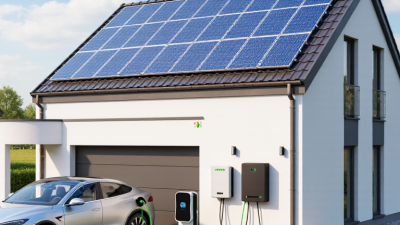
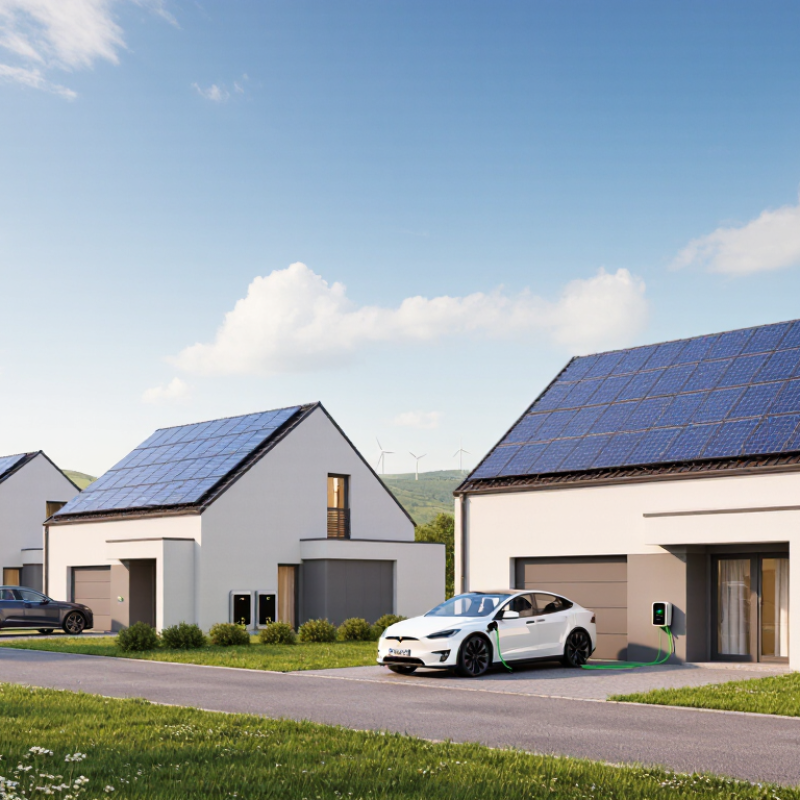
A residential solar panel system includes more than the panels on the roof. It typically has mounting hardware, an inverter, electrical wiring, safety disconnects, and monitoring equipment. Panels convert sunlight into direct current electricity; the inverter changes it into the alternating current used by household appliances. A utility meter records energy flowing to and from the home. A battery may be added to store some daytime production for later use, but it is optional. Details matter.
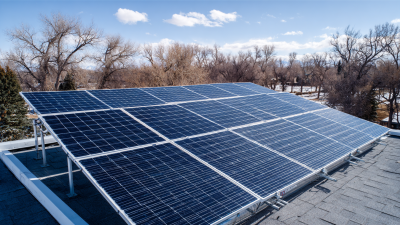
System design depends on roof condition, available space, shading, and household electricity use. A shaded chimney or a tall tree can reduce output, even when most of the roof gets strong sun. Installers should assess these conditions and explain expected production, equipment placement, and maintenance needs. Estimates are not guarantees; weather and seasonal daylight change generation.
Tips: Check the roof’s age before installation. Ask how monitoring works and what happens during a power outage. Standard grid-connected systems often shut down during outages unless configured with suitable backup equipment. Read the system proposal carefully, especially its production assumptions. A tidy-looking layout is useful, but it does not tell the whole story.
How to Compare Home Solar Systems in 2026
Comparing home solar systems in 2026 starts with your household’s actual electricity use, not a headline system size. Review twelve months of bills and note seasonal changes, such as heavier air-conditioning use in summer. Ask installers to explain how roof direction, shade from nearby trees, and local weather affect their production estimate. A 6-kilowatt system on a sunny, open roof may perform very differently from the same size under partial shade. Details matter.
Compare written quotes line by line: panel capacity, inverter type, estimated annual output, equipment warranties, and installation costs. If you are considering a battery, check its usable capacity and the loads it can support during an outage. Ask whether the estimate assumes exporting excess electricity, and confirm the applicable rates with your utility. Look for clear documentation of expected maintenance and system monitoring. Ask for proof. Compare at least three proposals, but treat projected savings as estimates, not guarantees. Roof repairs, changing electricity use, and cloudy seasons can shift the numbers. A less polished quote may still be competitive, though unclear assumptions deserve a follow-up. That uncertainty is worth discussing.
The 10 Best Solar Panel Systems for Homes in 2026
For 2026, the best solar panel system depends on your roof, electricity use, and budget. Options include high-efficiency monocrystalline panels for limited roof space, standard monocrystalline arrays for value, and glass-glass modules designed for durability. Low-light panels may suit cloudy areas. Microinverters can help on shaded, complex roofs, while string inverters with optimizers often suit simpler roof layouts.
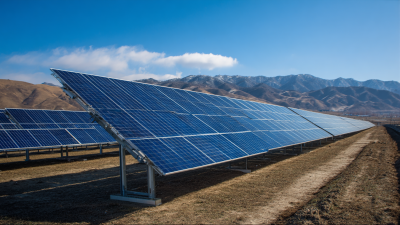
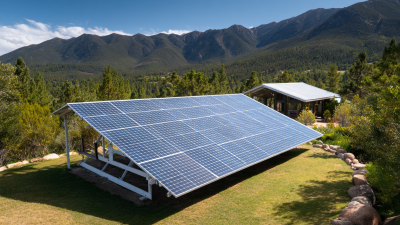
Battery-ready hybrid systems allow storage later; solar-plus-storage can serve evening loads. Roof-integrated panels suit new builds, and ground-mounted arrays work where yard space permits. A ranking still hides trade-offs. Berkeley Lab’s Tracking the Sun 2024 report put the median residential system price near $3.1 per watt in 2023, before incentives. The U.S. Energy Information Administration reported an average residential electricity price of about 16.5 cents per kilowatt-hour in 2024. Local rates and installation costs vary, so compare total quotes, estimated annual output, warranties, and battery costs—not panel efficiency alone.
Tips: Ask for a roof-specific production estimate using shading and orientation data. Check the assumptions. A sunny roof can still underperform if trees shade it at midday. Use NREL’s PVWatts calculator as a rough cross-check, not a guarantee.
10 Best Solar Panel Systems for Homes in 2026
Estimates are illustrative planning ranges, not guaranteed system performance. Annual generation assumes roughly 1,200–1,600 kWh per installed kW and varies with location, shading, roof orientation, tilt, and system design. Roof-area estimates generally allow about 50–65 sq. ft. per kW; actual requirements depend on panel dimensions and layout. A site assessment is needed to confirm system size, battery capacity, and backup capability.
How Costs, Incentives, and Warranties Shape System Value
A home solar quote is more than a price per panel. Compare the full installed cost, including permits, roof work, wiring, and any electrical-panel upgrade. A $2,000 repair can affect payback more than a small difference in panel efficiency. Battery storage adds cost, but may offer backup value where outages are common. That value is personal.
Estimate savings using actual electricity bills and local utility rules, not a national average. Incentives can vary by location, tax situation, and installation year. Confirm current eligibility through an official source or qualified tax professional. Export credits may be lower than the retail rate. This detail matters. A system sized for daytime use may not fit a household that is empty until evening.
Read each warranty separately. Product coverage, power-output promises, and installer workmanship are not interchangeable. Check who covers labor, shipping, roof penetrations, and service if the original installer closes. Ask for expected annual production and its assumptions, including shade and roof orientation. Leave room for uncertainty: weather, energy use, and utility rates rarely follow a neat spreadsheet. A longer warranty sounds reassuring, but only when its terms are clear and support remains reachable.
How to Choose a System for Your Home’s Energy Needs
Choosing a solar system starts with your household’s actual electricity use, not the largest array that fits the roof. Check twelve months of utility bills and note monthly kilowatt-hours, especially during hot or cold seasons. A family running air conditioning through summer may need a different design from one with steady, modest use. Look at future changes, too, such as an electric vehicle or heat pump.
Roof conditions shape the estimate. South-facing areas often receive strong sun, but orientation, shade, roof pitch, and local weather all affect production. Ask for projected monthly output, not just a panel count. Compare that estimate with your usage; production can vary, and a neat annual average may hide winter shortfalls. Small details matter.
Decide whether backup power is important. A battery can keep selected circuits running during an outage, but its capacity and cost should match the loads you actually need. A refrigerator, a few lights, and internet equipment require less energy than whole-home heating. I would be cautious about sizing from one unusually high bill. That bill may reflect a heat wave, not your normal routine. Request itemized estimates for system size, expected output, equipment coverage, and installation costs, then compare the assumptions behind each proposal.