How to Choose Residential Solar Power Systems?
Choosing residential solar power systems is less about buying the most panels. It is about matching equipment to a home’s real energy needs. A bright roof helps, but it never tells the whole story. Daily electricity use, roof age, shade, climate, and local grid rules all affect the decision. A system sized from one summer bill may perform poorly in winter. Too large wastes money. Too small creates frustration.
A practical evaluation begins with a qualified solar professional. The installer should review at least twelve months of electricity bills, inspect roof condition, and measure shading throughout the day. Ask for production estimates based on documented software and realistic weather assumptions. Request those assumptions in writing. Check relevant licenses, certifications, insurance, and customer feedback before signing anything. These details can reveal whether a low quote is genuinely competitive or simply incomplete.
Panel efficiency matters, but the inverter, mounting hardware, monitoring platform, and warranty also deserve attention. Battery storage may improve backup capability, although it can substantially increase the project cost. Compare usable battery capacity, expected cycling, replacement terms, and emergency performance. Utility connection fees and changing electricity prices should be included in the financial review. Some estimates look precise, yet weather and future consumption can disrupt them. The perfect choice may not exist. A reliable decision balances safety, performance, maintenance, budget, and long-term household plans. Careful questions usually matter more than impressive sales language.
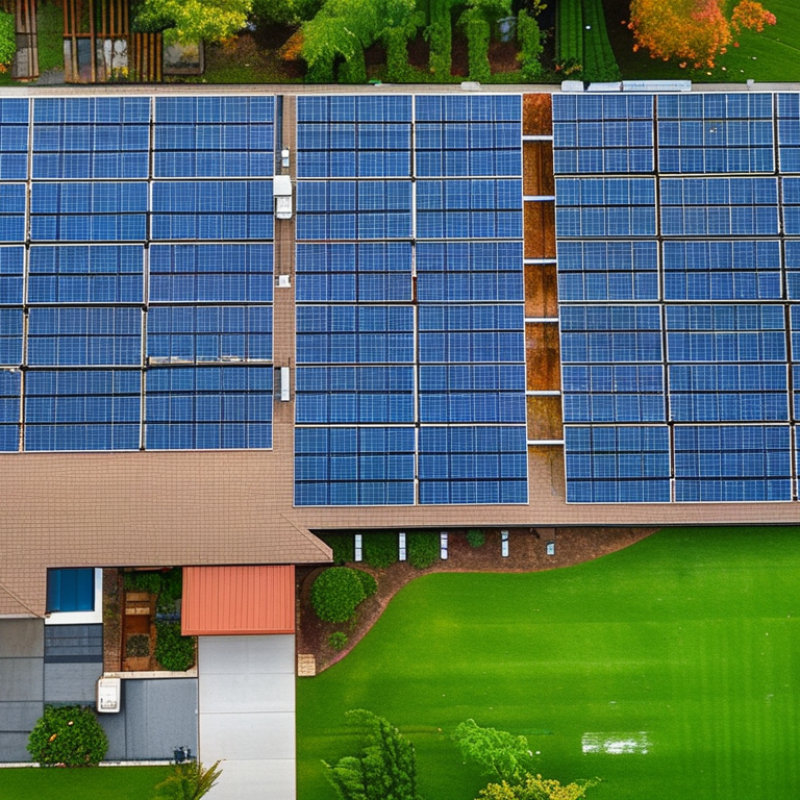
Assess Solar Potential with 4–5 Peak Sun Hours and Roof Orientation
Choosing a Residential Solar Power System
A reliable solar assessment begins with peak sun hours, not total daylight. Four to five peak sun hours means equivalent full-strength sunlight each day. It does not mean four to five clear hours. Cloud cover, haze, winter angles, and nearby trees can reduce production sharply.
Roof orientation matters just as much. In the Northern Hemisphere, a south-facing roof usually receives the strongest annual sunlight. In the Southern Hemisphere, north-facing surfaces often perform better. East-facing roofs capture useful morning energy, while west-facing roofs produce more electricity later in the day. Both can work well, especially when household demand continues into the afternoon.
Measure shading at different times, including early morning and late afternoon. A chimney may cast a narrow shadow that changes output more than expected. Check roof pitch, usable area, structural condition, and local weather records before selecting system capacity. A simple estimate divides daily electricity use by 4–5 peak sun hours, then accounts for system losses. A loss factor near 20% is common, but actual results vary.
Avoid treating the estimate as a promise. My early calculations would often look cleaner than real rooftops. Dust, high temperatures, wiring losses, and seasonal clouds are easy to underestimate. A qualified installer should verify the roof, electrical connections, and local requirements. Ask for production estimates based on monthly data, not one annual average.
Estimate System Size Using NREL PVWatts and 1,000–1,500 kWh/kW-Year
How to Choose Residential Solar Power Systems?
System size should begin with real electricity use, not a guessed roof area. Review twelve months of utility bills and calculate average monthly consumption. Then enter location, roof angle, direction, and system losses into NREL PVWatts. The tool estimates annual production under local sunlight conditions. A practical planning range is 1,000–1,500 kWh per kW each year. For example, a 6 kW system may produce roughly 6,000–9,000 kWh annually. Actual output can fall because of shade, dust, snow, wiring losses, or unusually cloudy weather.
My first estimate was too optimistic. I ignored a chimney shadow during winter mornings. A professional site assessment can reveal similar problems before installation. Compare the PVWatts result with your household demand and future changes, such as an electric vehicle or heat pump. Oversizing may increase costs, while undersizing may leave more electricity purchased from the grid. Check roof age, structural condition, and usable installation space before selecting equipment.
Tips: Use monthly bill data when possible. Test several system sizes in PVWatts. Add realistic losses instead of assuming perfect performance. Ask an installer to explain every assumption, including shading, panel orientation, and expected degradation. Keep the estimate conservative. Planning is not exact.
How to Choose Residential Solar Power Systems? - Estimate System Size Using NREL PVWatts and 1,000–1,500 kWh/kW-Year
Preliminary sizing guide based on annual household electricity consumption and an estimated solar production range of 1,000–1,500 kWh per installed kW per year.
Annual Household
Electricity Use |
Average Monthly
Electricity Use |
Estimated Solar Production Scenario |
Required PV System Size |
Approximate Roof Area
at 8–12 m²/kW |
1,000
kWh/kW-Year |
1,250
kWh/kW-Year |
1,500
kWh/kW-Year |
Low-Yield
Location |
Typical Planning
Case |
High-Yield
Location |
| System-size estimates for common residential electricity-use levels |
| 3,000 kWh/year |
250 kWh/month |
3.0 kW |
2.4 kW |
2.0 kW |
3.0 kW |
2.4 kW |
2.0 kW |
16–36 m² |
| 6,000 kWh/year |
500 kWh/month |
6.0 kW |
4.8 kW |
4.0 kW |
6.0 kW |
4.8 kW |
4.0 kW |
32–72 m² |
| 9,000 kWh/year |
750 kWh/month |
9.0 kW |
7.2 kW |
6.0 kW |
9.0 kW |
7.2 kW |
6.0 kW |
48–108 m² |
| 12,000 kWh/year |
1,000 kWh/month |
12.0 kW |
9.6 kW |
8.0 kW |
12.0 kW |
9.6 kW |
8.0 kW |
64–144 m² |
| 15,000 kWh/year |
1,250 kWh/month |
15.0 kW |
12.0 kW |
10.0 kW |
15.0 kW |
12.0 kW |
10.0 kW |
80–180 m² |
| Sizing formula and practical interpretation |
| Basic sizing formula |
Required PV capacity in kW = Annual electricity consumption in kWh ÷ Expected annual production in kWh per kW.
|
| Example calculation |
A home using 6,000 kWh/year would need approximately 4.8 kW when the expected yield is 1,250 kWh/kW-Year: 6,000 ÷ 1,250 = 4.8 kW.
|
| Panel-count reference |
Using 400 W panels, a 4.8 kW system would require approximately 12 panels, before considering inverter limits, roof layout, shading, and design spacing.
|
| Production range selection |
Use the lower end for less favorable solar conditions, shading, less-optimal orientation, or higher system losses. Use the higher end only where local solar resource and site conditions support it.
|
|
Important assumptions: The production figures are planning estimates, not guarantees. Actual results depend on location, weather, roof tilt and azimuth, shading, module temperature, inverter efficiency, wiring, snow, dirt, degradation, and other losses. The roof-area estimate assumes approximately 8–12 m² of usable roof area per installed kW, including practical spacing and layout considerations. A final design should use a location-specific PV performance model, a detailed roof survey, utility requirements, and the household's expected future electricity demand.
|
Compare Panels by Efficiency, Degradation Rates, and 25-Year Warranties
How to Choose Residential Solar Power Systems?
Compare Panels by Efficiency, Degradation Rates, and 25-Year Warranties
Panel efficiency shows how much sunlight becomes electricity under controlled test conditions. A 22% panel may produce more power than a 19% panel on the same roof area. This advantage matters when roof space is limited. However, real output also depends on shading, orientation, ventilation, dust, and seasonal temperatures. Roof temperature can become surprisingly high.
Degradation rates deserve equal attention. A panel rated to lose 0.4% annually may retain about 90% of its original output after 25 years. At 0.7% annual degradation, retention may fall closer to 84%. These figures are estimates, not promises. A spreadsheet can look precise, but roofs are not spreadsheets. Ask for the test conditions and the calculation method behind each claim.
Read the 25-year warranty carefully. It should state the minimum power output, allowed degradation, product coverage, and the process for making a claim. Check whether labor, removal, shipping, and replacement costs are included. Some warranties cover manufacturing defects but exclude damage from poor installation or unusual weather. Transfer terms also matter if you sell the property. A strong warranty is useful only when the provider remains reachable and the wording is clear. Have an installer compare the written warranty with your roof design, not just the headline percentage.
Select Inverters and Batteries Above 90% Efficiency for Backup Needs
How to Choose Residential Solar Power Systems?
For backup needs, choose an inverter and battery with more than 90% efficiency. This rating reduces energy loss during charging and discharging. However, efficiency figures may use different testing conditions. Check whether the manufacturer reports round-trip efficiency under realistic household loads.
A reliable inverter should match your solar array, battery voltage, and essential appliances. Check its continuous output and short surge capacity. A refrigerator may need extra power when its compressor starts. Battery capacity also matters. A 10 kWh battery may provide less usable energy after reserve limits and conversion losses. Keep critical circuits separate, such as lighting, refrigeration, internet equipment, and medical devices. I once underestimated nighttime demand by ignoring standby appliances. That mistake changed the sizing decision.
Tips: Compare usable capacity, not only total capacity. Ask for test conditions behind the efficiency claim. Confirm operating temperatures, warranty terms, safety certifications, and installer qualifications. Batteries perform differently in cold garages and hot utility rooms. Leave ventilation and service access. More storage is not always better. Oversizing can increase cost without improving daily reliability. Review one week of electricity use before choosing equipment. A simple load schedule often reveals wasteful assumptions. Real homes are messier than spreadsheets.
How to Choose Residential Solar Power Systems?
For backup applications, prioritize inverters and batteries with efficiency above 90%. The representative benchmarks below show how energy losses accumulate across a typical residential solar-and-storage pathway.
Check Costs, Incentives, and NEC Compliance Before Installation
Choosing a residential solar power system should begin with verified costs, available incentives, and NEC compliance.
Start with an itemized proposal, not a panel count. It should list equipment, labor, permits, electrical upgrades, monitoring, and battery costs. Ask whether roof repairs or tree removal are excluded. An aging 100-amp service may require upgrades. Roof pitch, shading, trench length, and utility rules also affect pricing. Compare at least two site-specific proposals.
Incentives can reduce costs, but eligibility often depends on location, installation dates, ownership, and tax circumstances.
Confirm current programs through official government websites and consult a qualified tax professional. Utility export credits may change. Fixed charges can also reduce expected savings. Ask for a production estimate using your utility’s current tariff. Do not rely on last year’s calculation.
NEC compliance protects the system and the people servicing it.
Relevant requirements may include rapid shutdown, grounding, disconnects, overcurrent protection, labeling, and equipment placement. Local authorities may enforce amended NEC provisions. Request permit drawings and ask who handles inspections and utility interconnection. A qualified electrical professional should explain the design clearly.
I would not accept vague answers about code compliance.
One overlooked detail can delay approval or create expensive rework. Solar planning is technical, and my first estimate would not be trusted without current site data.







.png)


.png)