How to Choose Solar Panels for Your House?

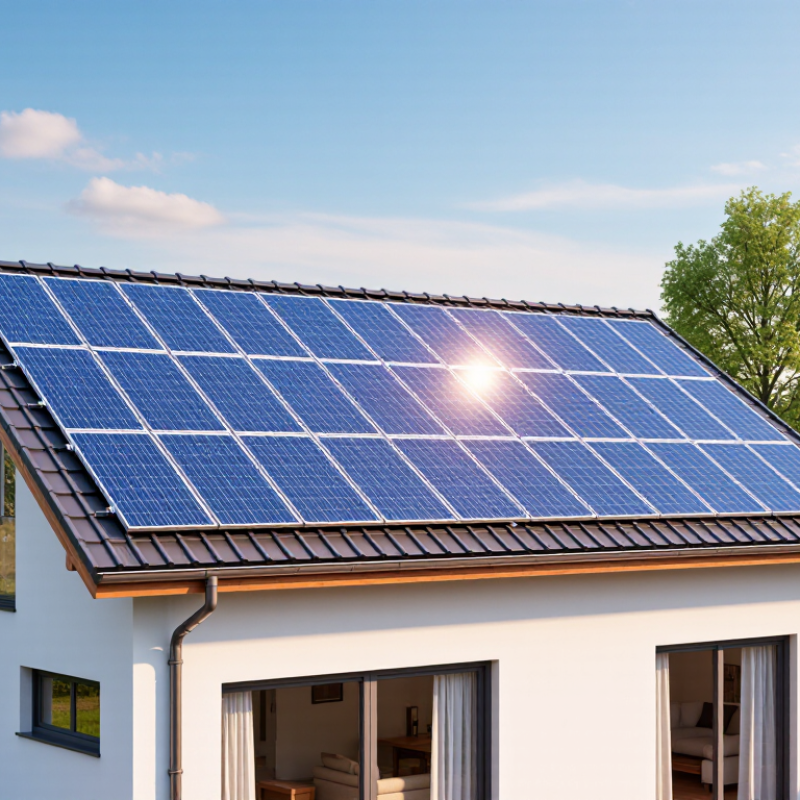
Choosing solar panels for your home involves more than comparing wattage and glossy efficiency numbers. The best solar panels for house projects must match your roof, electricity use, climate, and budget. A south-facing roof may perform well, but shade from one tall tree can change the calculation. Roof age matters too. Installing panels on shingles needing replacement can create avoidable expense.

A reliable decision begins with measured information. Review twelve months of utility bills, not one unusually high month. Ask an installer to inspect roof structure, shading, wiring, and available space. Request estimated annual production, equipment warranties, labor coverage, and expected degradation. Professional installers should explain assumptions clearly. They should also provide licensing and insurance details where applicable. Independent certifications and local project references can add confidence. Still, sales forecasts are estimates. Actual output changes with dust, snow, heat, and inverter downtime.

This guide explains how to compare panel types, system sizes, inverters, mounting options, and battery readiness. It also considers maintenance, financing, and long-term ownership. High efficiency is not automatically the smartest choice. A larger roof may make affordable standard panels more practical. Small roofs may justify premium modules, but only after shade and layout are checked. No choice is perfect. Even careful planning can miss a future tree or changing household demand. Use this guide to ask sharper questions, compare written proposals, and choose a system that fits real life, not just a brochure.
How to Choose Solar Panels for Your House?

Assess Your Home’s Solar Energy Needs

Assessing your home’s solar energy needs starts with real electricity use, not roof size. Review twelve months of utility bills and record each month’s kilowatt-hour consumption. Seasonal differences matter. Air conditioning may dominate summer demand, while electric heating can raise winter usage sharply.

In practice, I also inspect the roof’s direction, pitch, and shade. A chimney, nearby tree, or taller building can reduce production during important daylight hours. Shadows matter. Note the usable roof area, then compare it with your local sunlight conditions. A qualified solar professional can model expected output using these details, rather than relying on a simple panel count. Leave space for roof repairs and possible household changes, such as an electric vehicle or heat pump.

Do not size a system from one unusually high bill. My first estimate was wrong because I ignored a faulty outdoor heater. That estimate changed. Check major appliances and measure unusual loads before choosing panels. Also account for system losses, inverter limits, and reduced output during cloudy periods. A battery may help with evening use, but it does not automatically improve financial value. Ask for production estimates, assumptions, maintenance requirements, and warranty terms in writing. Conservative calculations are usually more useful than impressive promises.
Check Your Roof, Sunlight, and Available Installation Space

How to Choose Solar Panels for Your House?

Check Your Roof, Sunlight, and Available Installation Space

Before comparing panel output, inspect the roof itself. Look for cracked tiles, soft wood, leaks, or heavy moss. A solar array can last decades. The roof should not need replacement next year. Ask a qualified roofing professional to check its structure, especially after storms. Roof age matters. So do its direction and slope.

Sunlight changes throughout the day. A roof that looks bright at noon may be shaded at 9 a.m. or late afternoon. Watch nearby trees, chimneys, walls, and possible future construction. A simple shadow survey across several hours gives better evidence than a quick glance. Local weather data can help, but on-site observation remains important. Partial shade may reduce energy production more than expected.

Measure the usable installation area, not the entire roof. Keep space around vents, skylights, edges, and access paths. Panels need safe working clearance. Your installer should calculate annual production using roof angle, orientation, shade, and local sunlight levels. Request the assumptions in writing. Numbers can look precise while hiding uncertainty. I would also leave room for maintenance, even if it slightly reduces the panel count. More panels are not always better. A smaller, well-positioned system may fit your home and budget more reliably. Check local permits and electrical requirements before installation begins.

Compare Solar Panel Types, Efficiency, and Durability

Choosing solar panels starts with roof conditions, not a catalogue photograph. Monocrystalline silicon panels usually deliver the highest household efficiency, often around 20–23%, according to Fraunhofer ISE’s Photovoltaics Report 2024. Their darker surfaces suit smaller roofs with limited space. Polycrystalline panels generally provide slightly lower efficiency, while thin-film panels can perform better in some low-light or high-temperature conditions. However, they often need more roof area.

Efficiency is only one part of the decision. A panel rated at 22% may produce less energy than expected if nearby trees create afternoon shade. Walk around the roof at different times before choosing. Thin-film modules can have lower output per square metre, but their lighter construction may help on buildings with structural limits. I would not trust a single laboratory number. Real roofs are messier.

Durability deserves equal attention. The National Renewable Energy Laboratory reports a typical crystalline-silicon degradation rate near 0.5% annually, although installation quality, heat, moisture, and wind can change results. Look for testing under IEC 61215 and IEC 61730, plus clear warranties covering product defects and performance. Hail resistance and wind-load ratings matter in exposed areas. The IEA Photovoltaic Power Systems Programme also stresses that system quality and installation strongly influence long-term yield. A reliable installer should explain mounting details, drainage, cable protection, and expected seasonal output. Five extra minutes on the roof can reveal more than a glossy efficiency chart.

How to Choose Solar Panels for Your House?

Comparison of typical residential solar panel technologies by conversion efficiency and expected service life.

Monocrystalline panels generally provide the highest efficiency and longest service life, making them suitable when roof space is limited. Polycrystalline panels offer moderate efficiency with reliable durability, while thin-film panels are lighter and more flexible but usually require more roof area.

Values show representative industry ranges converted to typical midpoint estimates. Actual performance varies with materials, installation quality, climate, shading, and maintenance.

Evaluate Costs, Incentives, Warranties, and Installation Options

Choosing solar panels for your house involves more than comparing wattage. The National Renewable Energy Laboratory’s 2024 Solar Industry Update reports that module prices remain near historic lows, but installation costs vary widely by location. Request at least three written quotes. Compare price per watt, estimated annual production, battery costs, permits, and roof work. A low quote may exclude electrical upgrades or tree trimming.

In the United States, the federal Residential Clean Energy Credit can cover 30% of eligible solar and storage costs through 2032, according to the Internal Revenue Service. State, utility, and local incentives may reduce the remaining bill. Check eligibility before signing.

EnergySage’s 2024 marketplace analysis also shows that quote prices differ by system size and region, so national averages cannot predict your final price. My first estimate was too optimistic. Shading changed the result.

Read warranties line by line. Look for separate coverage periods for panels, inverters, labor, and roof penetrations. Performance warranties often promise gradual output retention, but real production also depends on dust, heat, snow, and shade.

Installation quality deserves equal attention. The National Renewable Energy Laboratory recommends reviewing installer experience, licensing, insurance, references, and production assumptions. Ask who handles future service calls. A cheaper installer may subcontract critical work. That is not automatically bad, but it requires questions.

Compare rooftop, ground-mounted, and community-solar options when your roof is old, shaded, or poorly oriented. A professional site assessment should include a roof-age review, hourly shade analysis, and a realistic payback estimate. Payback is useful, not perfect.

Select a Qualified Installer and Plan Your Solar System

How to Choose Solar Panels for Your House?

Choosing solar panels starts with selecting a qualified installer. Look for required local licenses, liability insurance, and trained electrical workers. Ask about recent projects with similar roof shapes and energy needs. Request references, then contact two homeowners directly. Ask whether the crew protected gutters, explained delays, and completed inspections properly. A polished estimate proves little.

Plan the system from your actual electricity use. Share twelve months of utility bills, not one unusually low month. A professional should inspect roof age, orientation, shading, ventilation, and structural condition. A tall tree can shade panels after 10 a.m. Seasonal sunlight also changes production. Ask how the design handles cloudy weeks and future electricity demand. Include battery storage only when its purpose is clear. Backup power, bill reduction, and energy independence require different designs.

Read every contract carefully. It should explain equipment specifications, expected production, workmanship coverage, maintenance, monitoring, payment stages, permits, and utility approval. Compare at least three written proposals using the same assumptions. No forecast is perfect. I would question unusually high production estimates, especially when shading was ignored. A roof replacement may also be wiser before installation, although that additional cost can change the project’s value. The installer should explain these uncertainties in plain language, without promising guaranteed savings.