Top Solar Electric Systems for Home Use
A rooftop solar electric system is not just a row of panels. It is a coordinated setup: modules, an inverter, mounting hardware, wiring, and, sometimes, battery storage. The right combination depends on roof direction, shade, household electricity use, and local utility rules. A system that performs well on a sunny, unshaded roof may disappoint beneath tall trees. Details matter.
The market is growing quickly. SEIA and Wood Mackenzie reported that the United States installed 32.4 gigawatts of solar capacity in 2023, representing 55% of new electricity-generating capacity that year. That industry-wide figure signals momentum, but it does not predict savings for one household. Costs, incentives, utility compensation, and installation quality vary by location. So should the decision.
This guide compares leading home solar options by practical criteria: system performance, equipment reliability, warranty coverage, expandability, and installer support. It also considers whether batteries make sense for homes facing outages or time-based electricity rates. A battery can add resilience, but it raises upfront costs and is not essential for every home. Buyers should compare written proposals, confirm equipment specifications, and ask how estimated production was calculated. A glossy quote is not proof.
No single system is best for every roof. That is the honest limitation. The aim here is to help homeowners identify options that fit their property, energy habits, and budget—not to promise identical results everywhere.
Residential Solar System Types: Grid-Tied, Hybrid, and Off-Grid
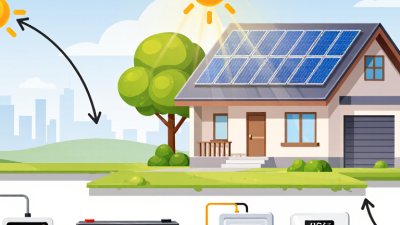
Choosing a home solar system starts with how you use electricity, not just roof size. A grid-tied system sends surplus daytime power to the utility network and draws power when panels produce too little. It is usually the simplest configuration, with fewer components than battery-based designs. But during a grid outage, standard grid-tied systems shut down for safety, even on a sunny afternoon.
A hybrid system adds batteries and controls that can keep selected circuits running during an outage. Think refrigerator, a few lights, and the internet—not necessarily an electric oven and central air at once. Battery capacity, inverter output, and reserve settings matter as much as panel count. Batteries add cost and eventually need replacement. That trade-off is easy to underestimate.
Off-grid systems operate without a utility connection. They need enough panels, battery storage, and often a generator or careful load management for cloudy stretches and winter days. A cabin with modest needs is different from a full-time home with a well pump. Real homes are messier. Review a year of utility bills and note high-startup appliances before sizing. A rushed estimate can leave a system short when it is needed most. Have a qualified solar professional assess wiring, roof condition, and expected loads before choosing a system.
PV Modules and Inverters: Comparing Efficiency, Output, and Compatibility
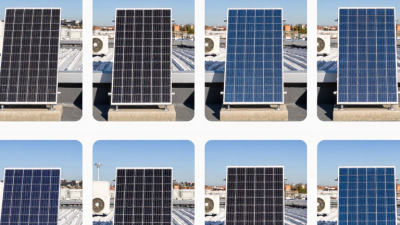
PV modules and inverters work as a pair, so comparing headline efficiency alone can mislead. A higher-efficiency module may produce more power from limited roof space, but roof direction, shade, and heat also affect daily output. On a south-facing roof, a clear midday reading can look impressive; a nearby chimney may still cast a narrow shadow across several panels. Small differences matter.
Check each module’s rated wattage, dimensions, and electrical specifications against the inverter’s input limits. The inverter must accept the array’s voltage and current across changing temperatures, not just on a mild test day. String inverters connect panels in groups, so uneven shade can reduce the group’s output. Module-level electronics can help when panel conditions vary, though they add components and possible service needs. Neither setup is best for every roof.
Compare expected annual energy, not only peak power. A system’s DC capacity may exceed the inverter’s AC rating to improve production during weaker sunlight, but the balance should follow equipment limits and local design conditions. Ask for the assumptions behind any yield estimate, including roof tilt, shading, and weather data. Estimates are still estimates. I would also leave room for uncertainty: dust, future shade, and real installation details can change results. Check the labels.
Top Solar Electric Systems for Home Use: PV Modules and Inverters
Estimated annual AC energy output for typical residential system sizes. The comparison assumes an illustrative yield of 1,400 kWh per installed DC kilowatt per year; actual production varies with location, roof orientation, shading, equipment, and weather.
How to interpret this: Larger systems generally produce more energy when site conditions are similar. Residential PV module efficiencies commonly fall around 20–23%, while modern inverters often convert DC to AC power at roughly 97–99% efficiency. Efficiency figures alone do not determine a system’s annual output or compatibility.
System Sizing: Use NREL Solar Data to Estimate Local Energy Yield
Top Solar Electric Systems for Home Use
Estimating a system’s output starts with local sunlight, not a generic national average. NREL’s PVWatts calculator uses location-based solar data to model expected electricity production. Enter a nearby address, then add the proposed system size, panel tilt, and direction. A south-facing roof may perform differently from an east-facing one.
Review the monthly results, not just the annual total. A home in Denver might produce plenty in July but less in December, when days are shorter and snow may cover panels. Small details matter. Trees, a chimney, or a neighboring roof can cast shade that a broad solar model may not capture. Check the roof at different times of day, and be honest about obstacles.
Compare the estimate with your household’s monthly electricity use. If the model predicts 750 kilowatt-hours in a sunny month, see how that figure matches your utility records. Then consider seasonal differences and future changes, such as an electric vehicle or heat pump. The estimate is a planning tool, not a guarantee; weather varies, and installation quality affects real output. I would leave some room for uncertainty rather than size a system around one perfect-looking number.
Top Solar Electric Systems for Home Use - System Sizing: Use NREL Solar Data to Estimate Local Energy Yield
Representative planning estimates for selected U.S. locations. Annual energy is calculated as system capacity (kW DC) × assumed annual specific yield (kWh per kW DC).
| Representative Location |
Assumed Annual Yield
(kWh/kW DC) |
5 kW DC System
(kWh/year) |
7.5 kW DC System
(kWh/year) |
10 kW DC System
(kWh/year) |
Sizing Consideration |
| Seattle, Washington |
1,150 |
5,750 |
8,625 |
11,500 |
Allow for seasonal variation and check roof shading carefully. |
| Chicago, Illinois |
1,250 |
6,250 |
9,375 |
12,500 |
Use annual electricity consumption and local utility rules to guide system size. |
| Miami, Florida |
1,450 |
7,250 |
10,875 |
14,500 |
Account for roof orientation, storm-related design requirements, and any shading. |
| Denver, Colorado |
1,500 |
7,500 |
11,250 |
15,000 |
High solar resource can support strong output; site-specific roof conditions still matter. |
| Phoenix, Arizona |
1,700 |
8,500 |
12,750 |
17,000 |
Consider high-temperature effects and the household’s daytime electricity use. |
These rounded figures are representative screening estimates, not location-specific NREL results or guaranteed production. For a site estimate, enter the home’s location and system details into NREL PVWatts; results depend on weather data, tilt, azimuth, system losses, shading, and other site conditions.
Home Battery Storage: DOE Reports 85–95% Round-Trip Efficiency for Lithium-Ion
Top Solar Electric Systems for Home Use
DOE reports lithium-ion home batteries can deliver roughly 85–95% round-trip efficiency. In practical terms, 10 kilowatt-hours sent into a battery may return about 8.5–9.5 kilowatt-hours. The exact result depends on the equipment and how efficiency is measured. Numbers need context. A cool garage, battery age, inverter losses, and standby power can all affect usable energy. The percentage is a useful comparison, not a promise for every home.
When comparing solar electric systems, check whether the quoted figure covers the battery alone or the complete storage system. Ask for usable capacity, continuous power, and expected performance during outages. A battery may store plenty of energy but still struggle to run several large appliances at once. Match its output to essentials such as a refrigerator, lights, and internet equipment. It is easy to overread one impressive percentage; household usage patterns matter just as much.
Tips: Review the efficiency test conditions and warranty details before choosing a system. Check the fine print. If possible, compare estimated energy returned over a typical day, not just the headline rating. Leave room in your plan for cloudy weather and gradual capacity loss. A simple load list can help: note appliance wattage and hours of use, then discuss the estimate with a qualified installer.
Comparing Systems by Installed Cost, Warranty, Safety, and Grid Standards
Choosing a home solar system means comparing the installed price, warranty coverage, electrical safety, and grid compatibility—not panel prices alone. NREL’s Q1 2023 benchmark modeled a U.S. residential rooftop system at $2.68 per watt of direct-current capacity (NREL, U.S. Solar Photovoltaic System and Energy Storage Cost Benchmarks, 2023). At that benchmark, a 7-kilowatt system comes to about $18,760 before incentives and site-specific costs. It is a reference, not a quote. A steep roof, long cable runs, or an aging electrical panel can raise the bill. Numbers move.
Warranty terms deserve close reading. A panel’s output guarantee does not necessarily cover labor, inverter replacement, or battery capacity. Compare the covered equipment, duration, and repair process, not just the longest advertised term. A shaded chimney can also reduce real-world production, even when equipment warranties look generous. I would ask for estimated annual output and the assumptions behind it.
For safety and grid connection, ask for documentation showing that the inverter meets applicable equipment requirements, such as UL 1741, and that the design addresses IEEE 1547-2018 interconnection requirements. These standards support safe operation; they do not replace local utility review or electrical-code compliance. Requirements can vary by location. Ask who handles utility approval, inspection, and any required rapid-shutdown features. Details matter.